S O M A
The Living Body
Soma is the cell body of a neuron. It is also an ancient Greek word for the body, used in contemporary somatic thought to describe the living body as experienced from within: sensing, feeling, responsive and conscious. Unlike the anatomical body observed and measured from the outside, the soma is the body as lived experience. Yet the physiology of our bodies, in particular our nervous system, makes feeling possible. In traditional Chinese philosophy and medicine, this living vitality is understood and animated through qi 氣, the vital energy inherent in all things.
Developed alongside my doctoral research into neuroscience, traditional Chinese art, medicine and self-cultivating human experience, and resolved over the year following its completion, SOMA marks my own shift from being cerebral and philosophical towards a more embodied state and the lived application of knowledge I have pioneered theoretically for years.
AI as a Medium of Inquiry
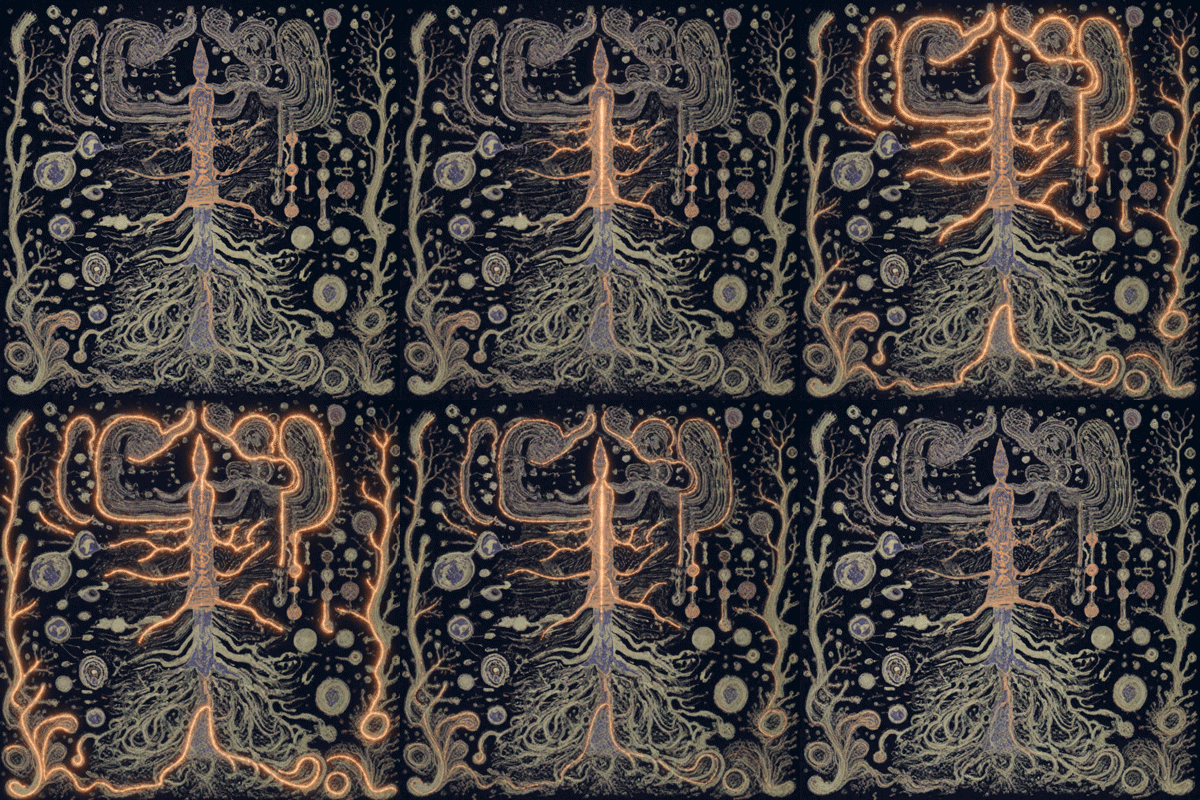
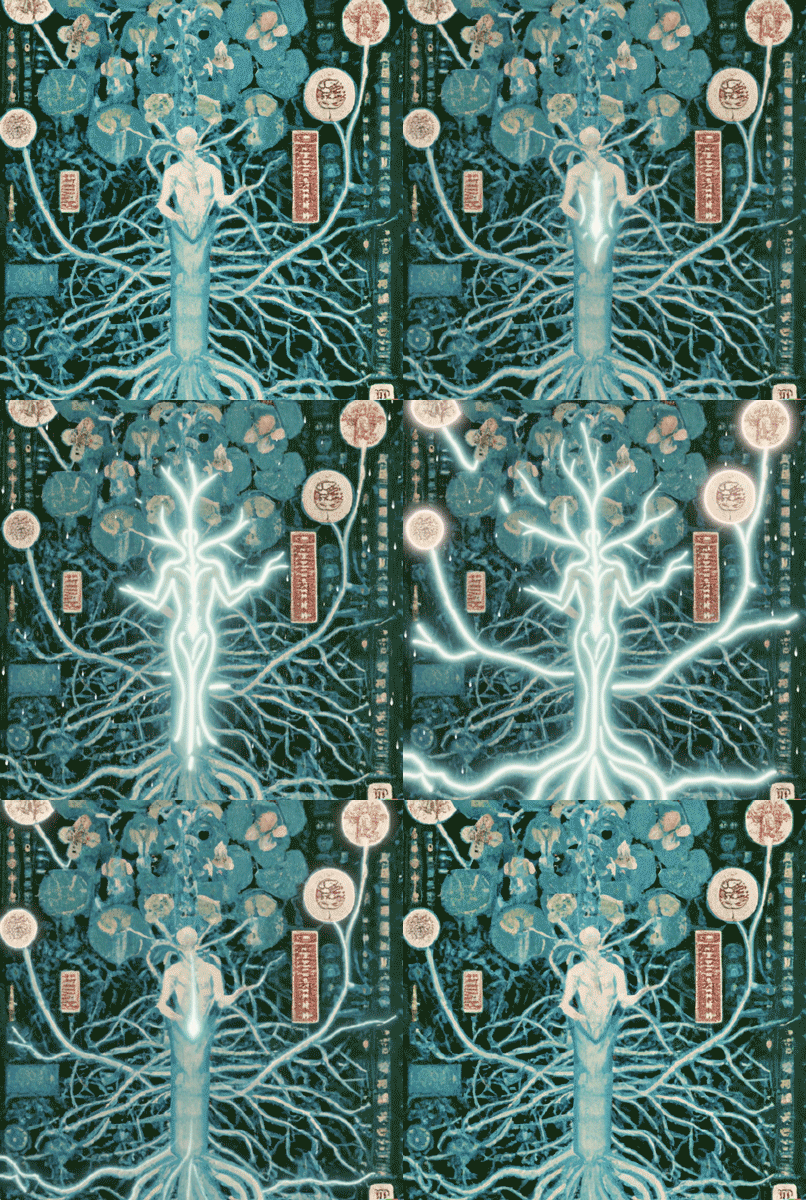
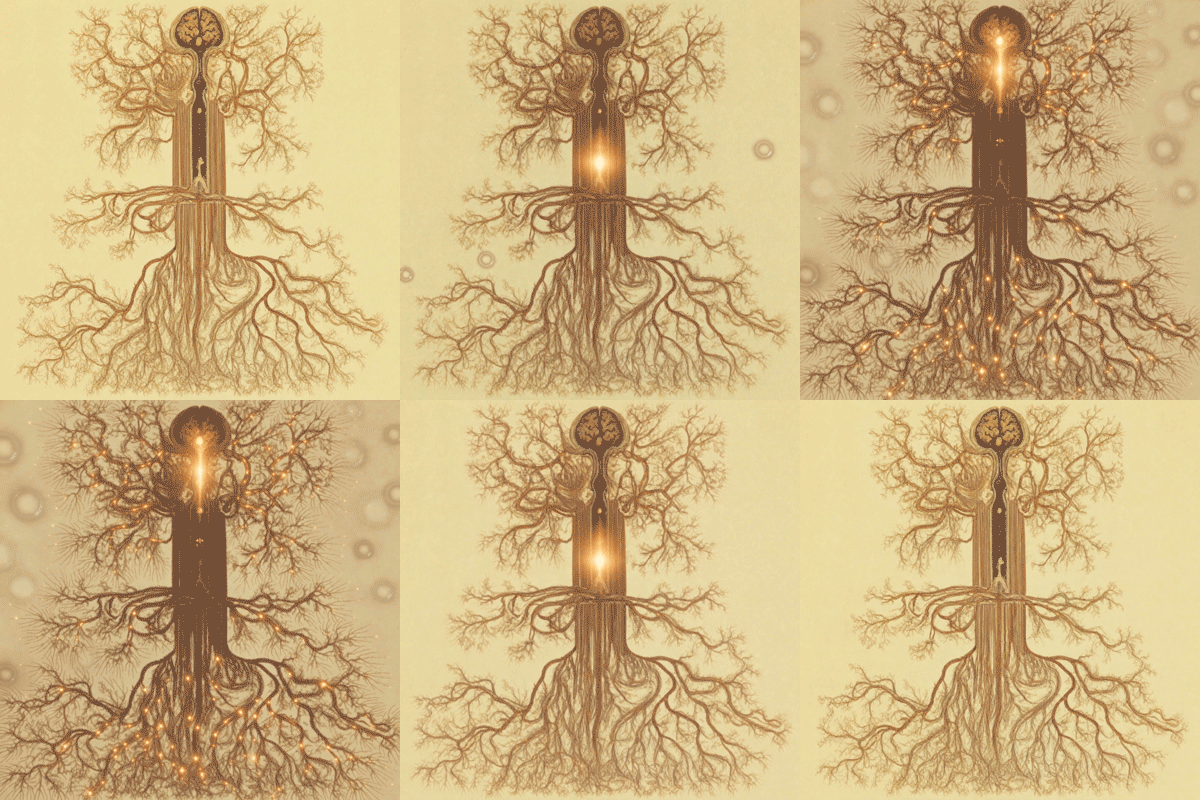
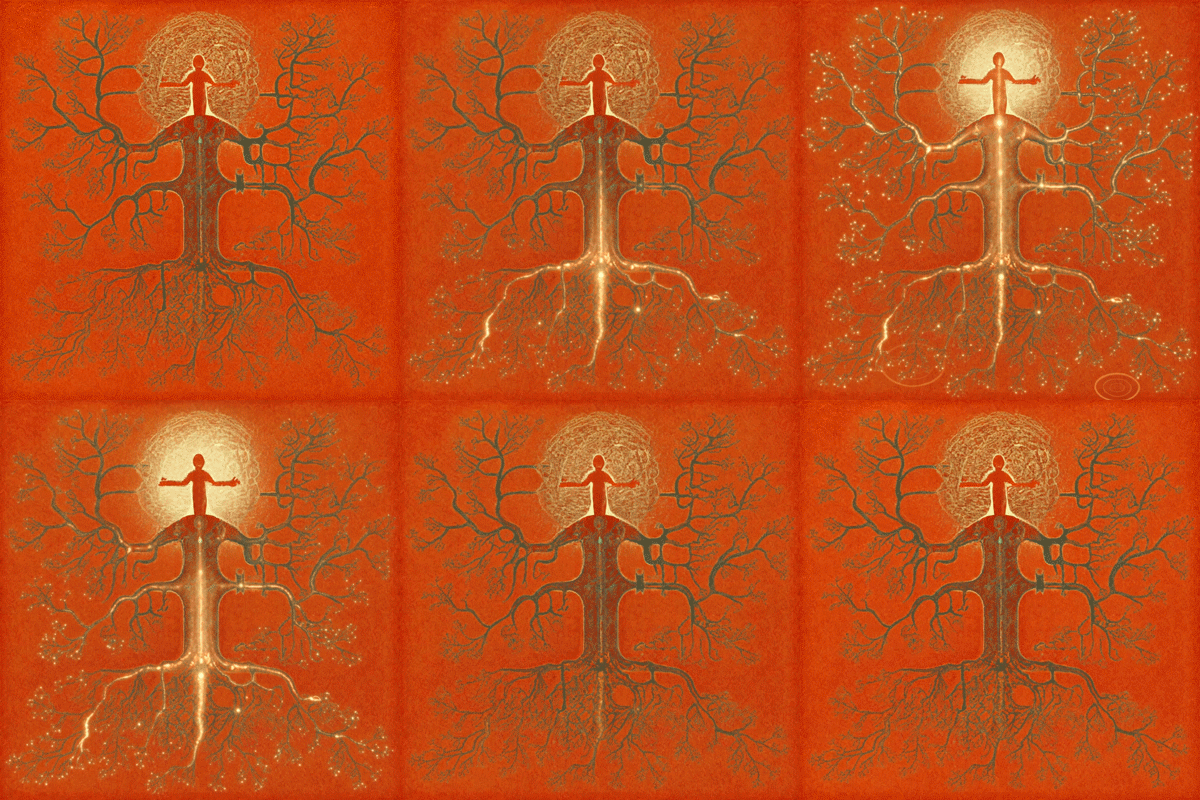
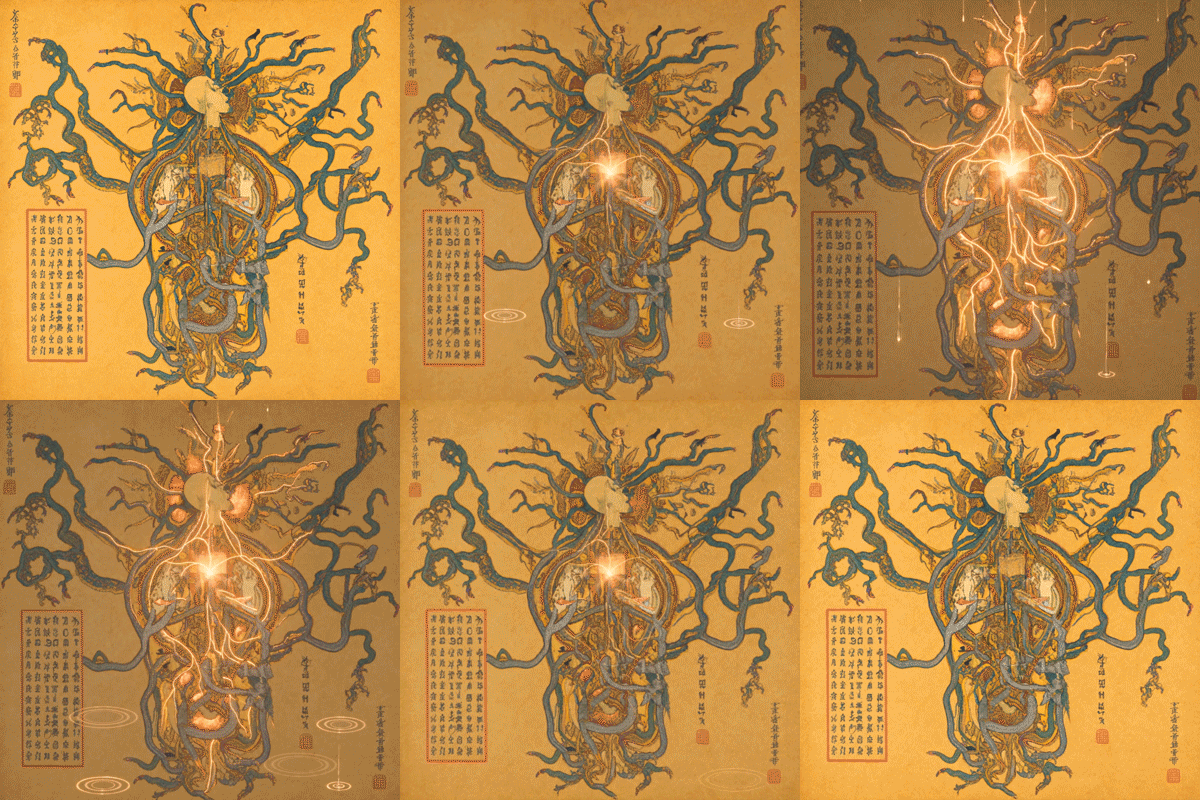
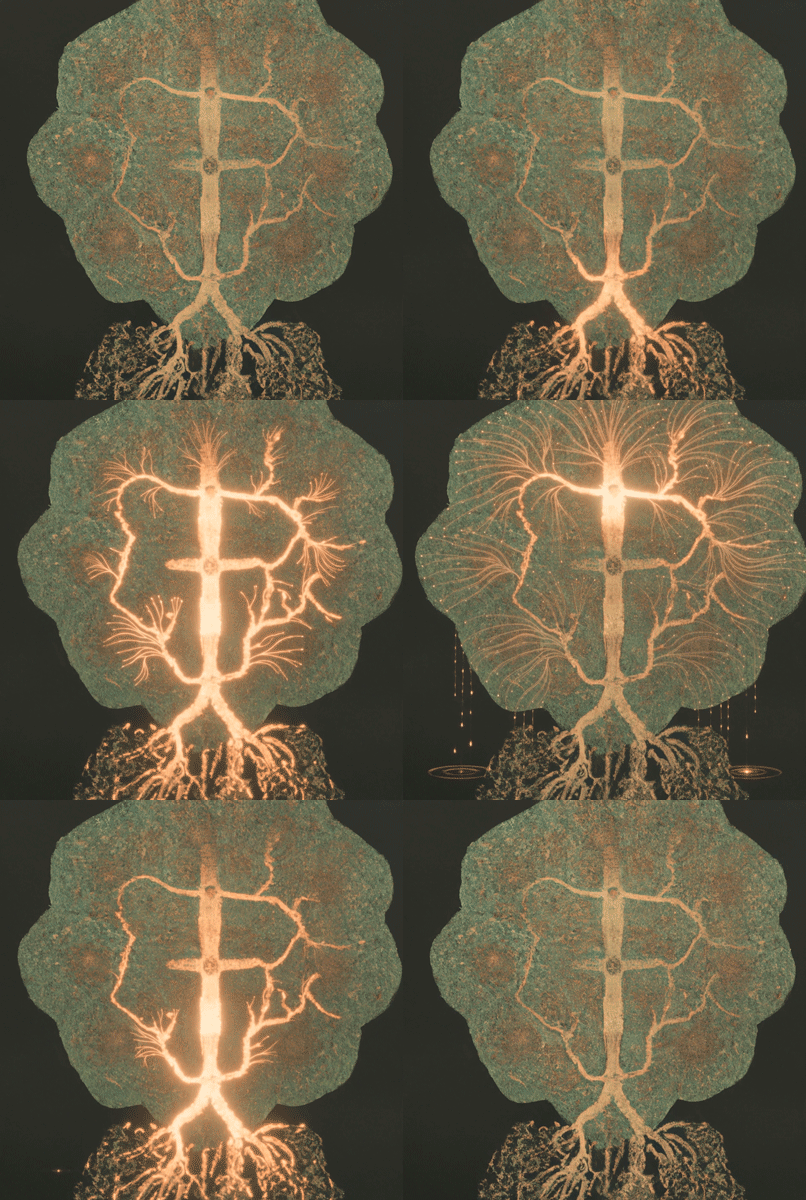
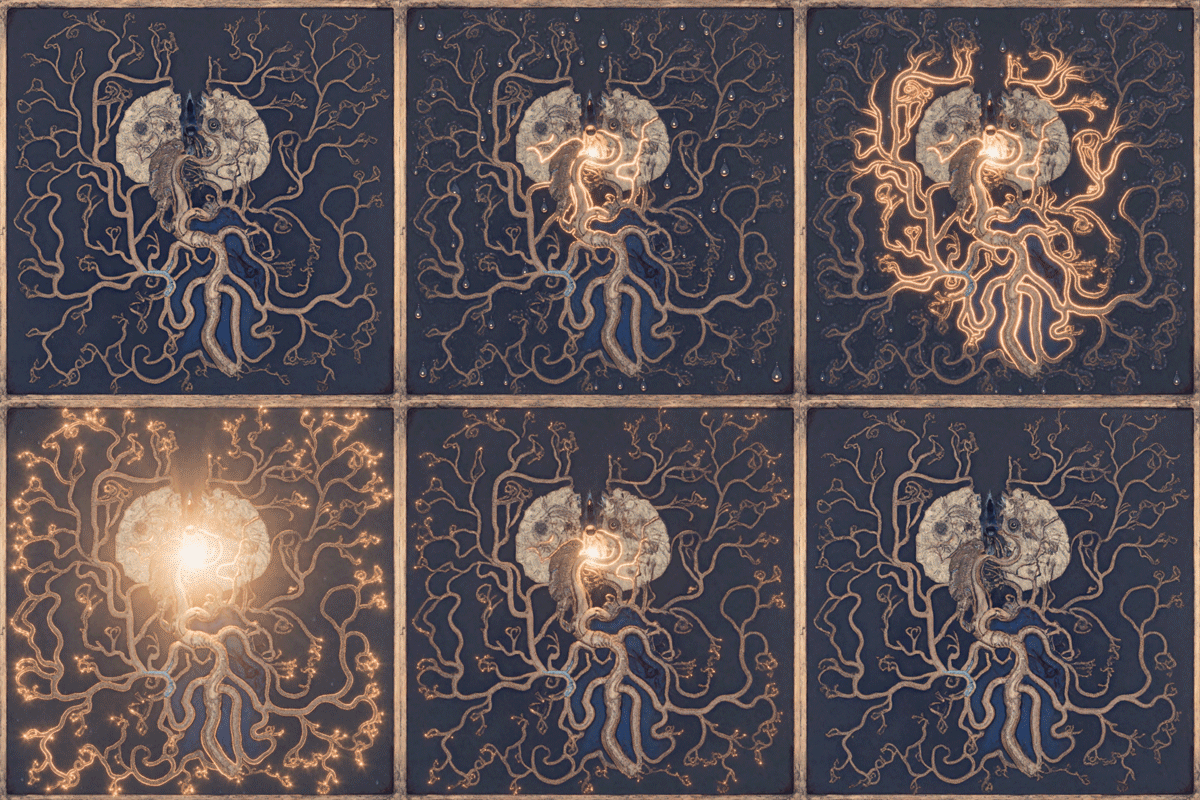
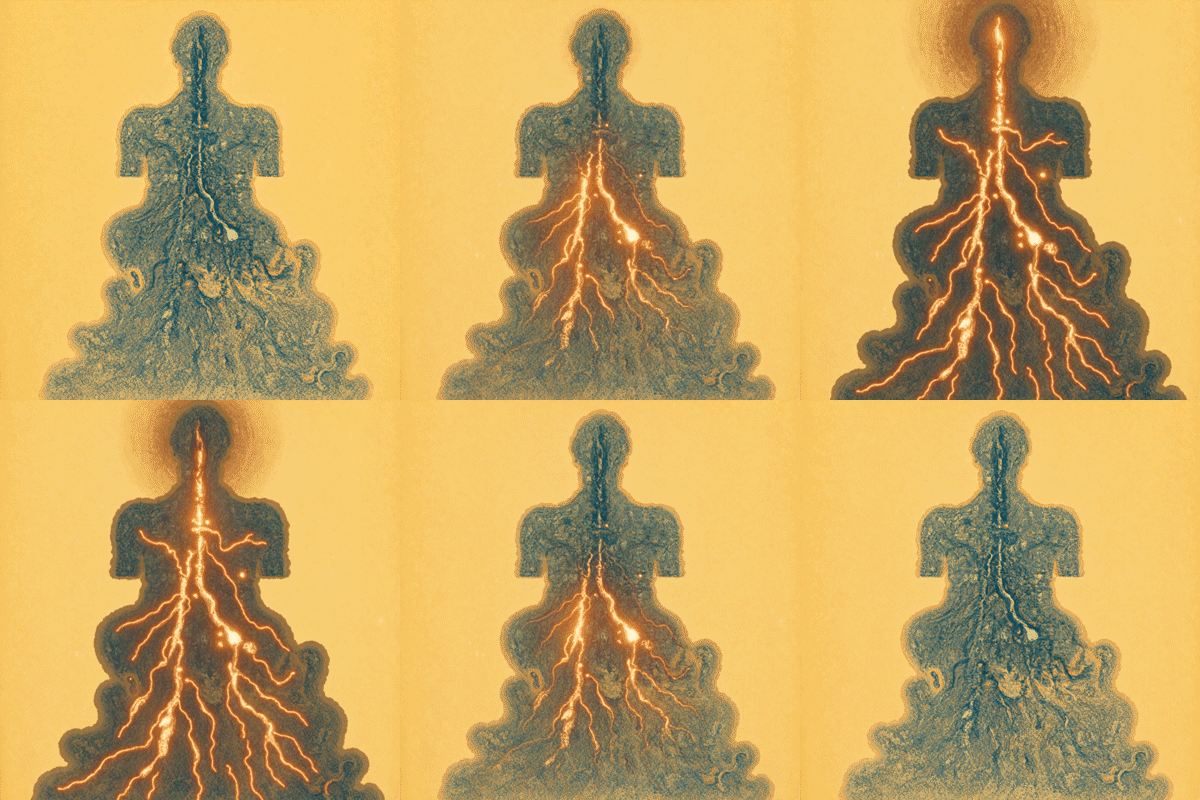
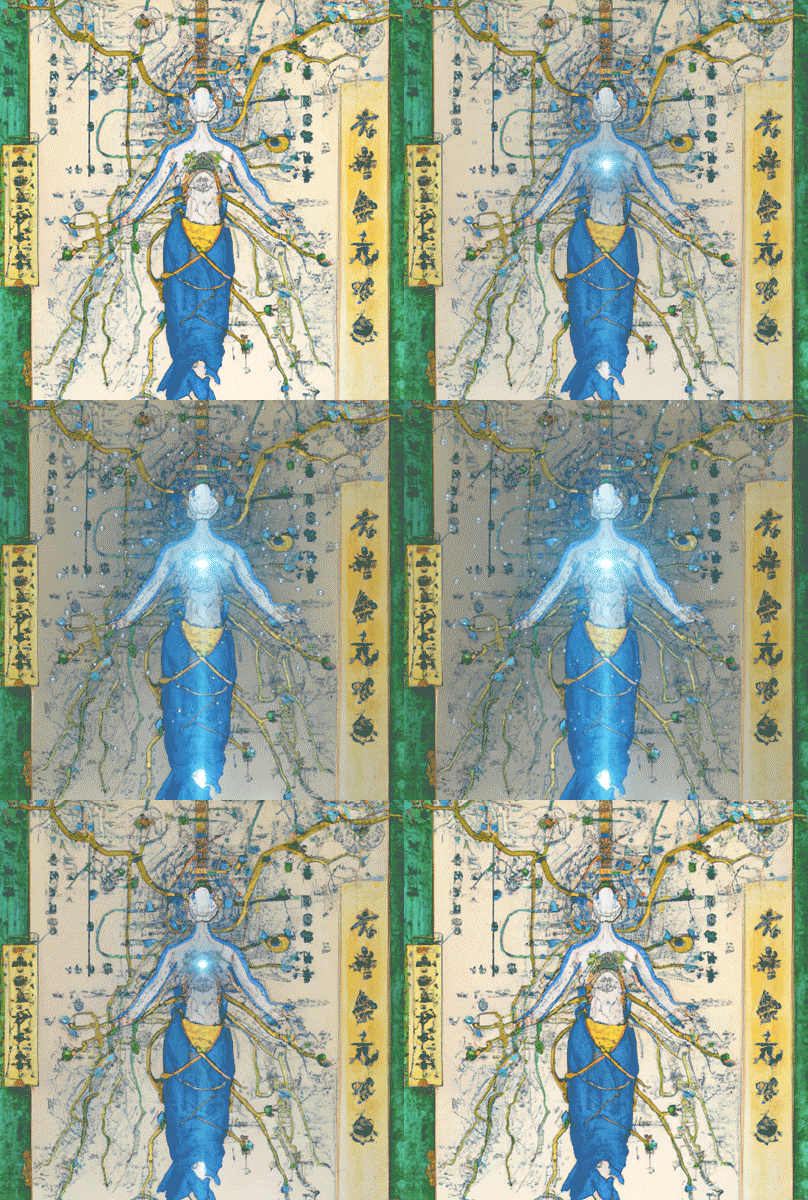
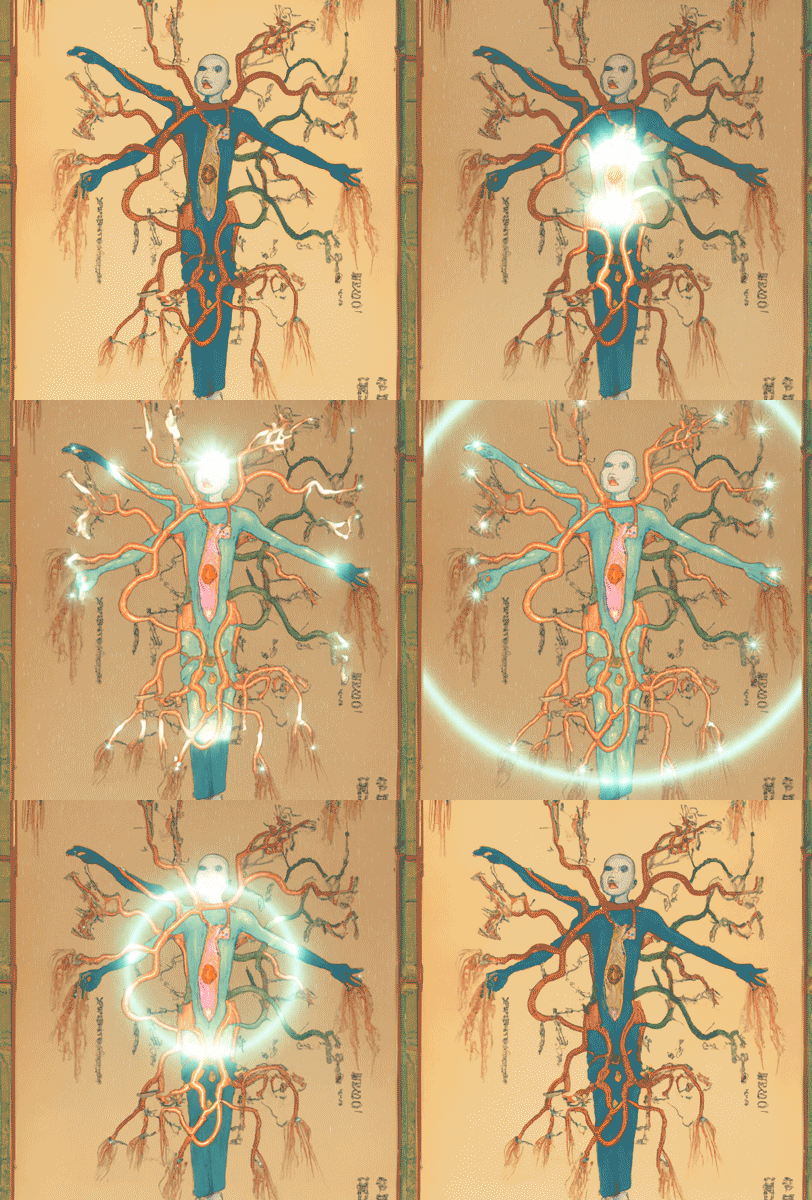
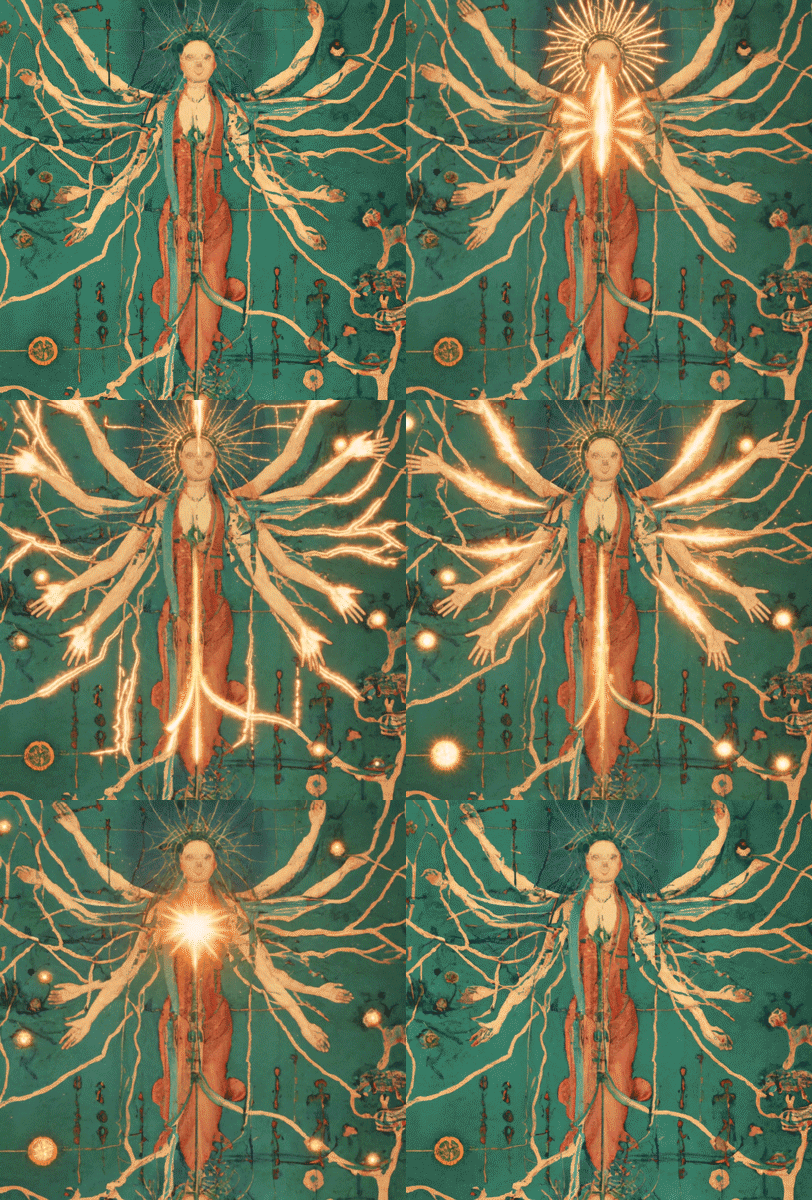
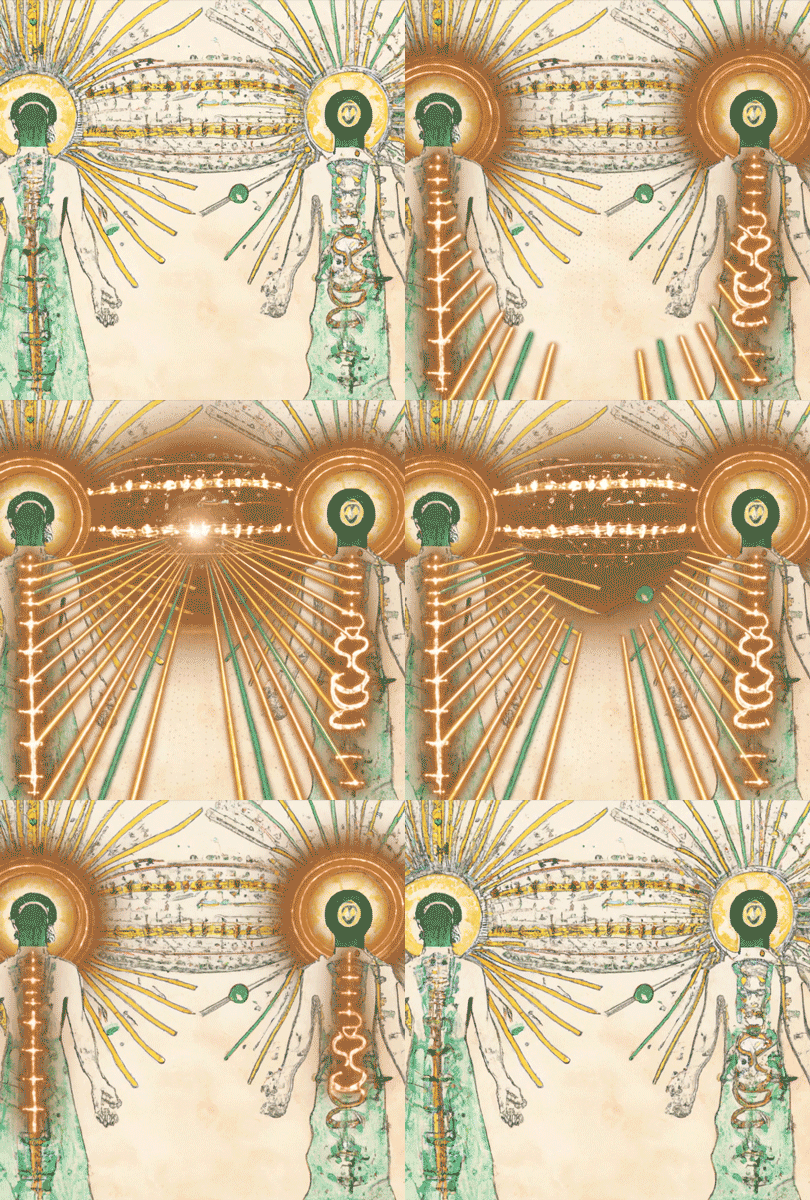
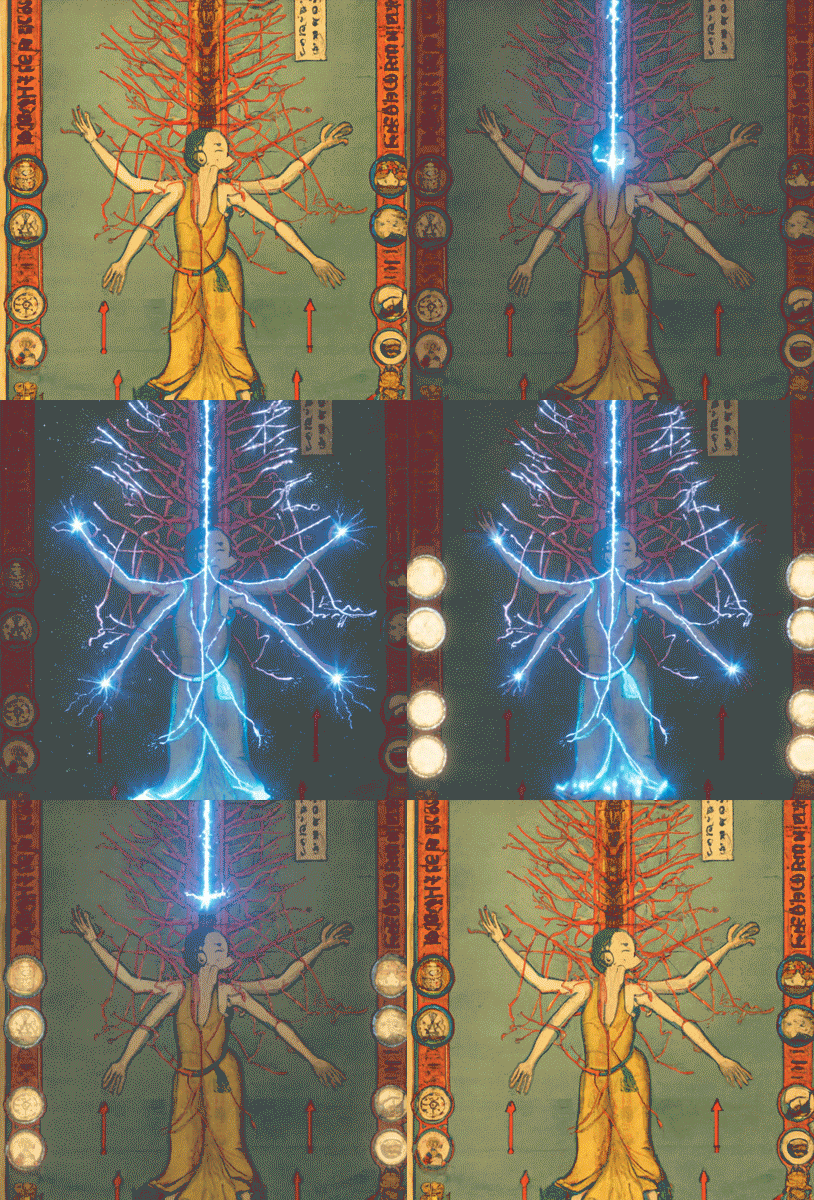
AI became uniquely capable as a medium for this work. The series was first generated as a collection of digital sketches using DALL·E 2. Created in the midst of intense scholarly output, AI provided me with a free-flowing creative outlet that felt inherently capable of imagining the hybrid, cross-disciplinary fertilisation I was intellectually exploring. These foundational works mapped a visual integration of intersecting and seemingly unrelated concepts from diverse disciplines and temporalities that had become vitally interconnected throughout my doctoral research.
Representations of the human nervous system, attention, qi氣, Chinese medicine, human experience, the natural world and spirituality that were woven together in my thesis became visual terrain for this new collection. In the nine months following the completion of my PhD, at a time of great personal expansion and renewal, I returned to these sketches to expand and resolve them as dynamic glitch animations using RunwayML.
Arousal, Resonance and Regulation
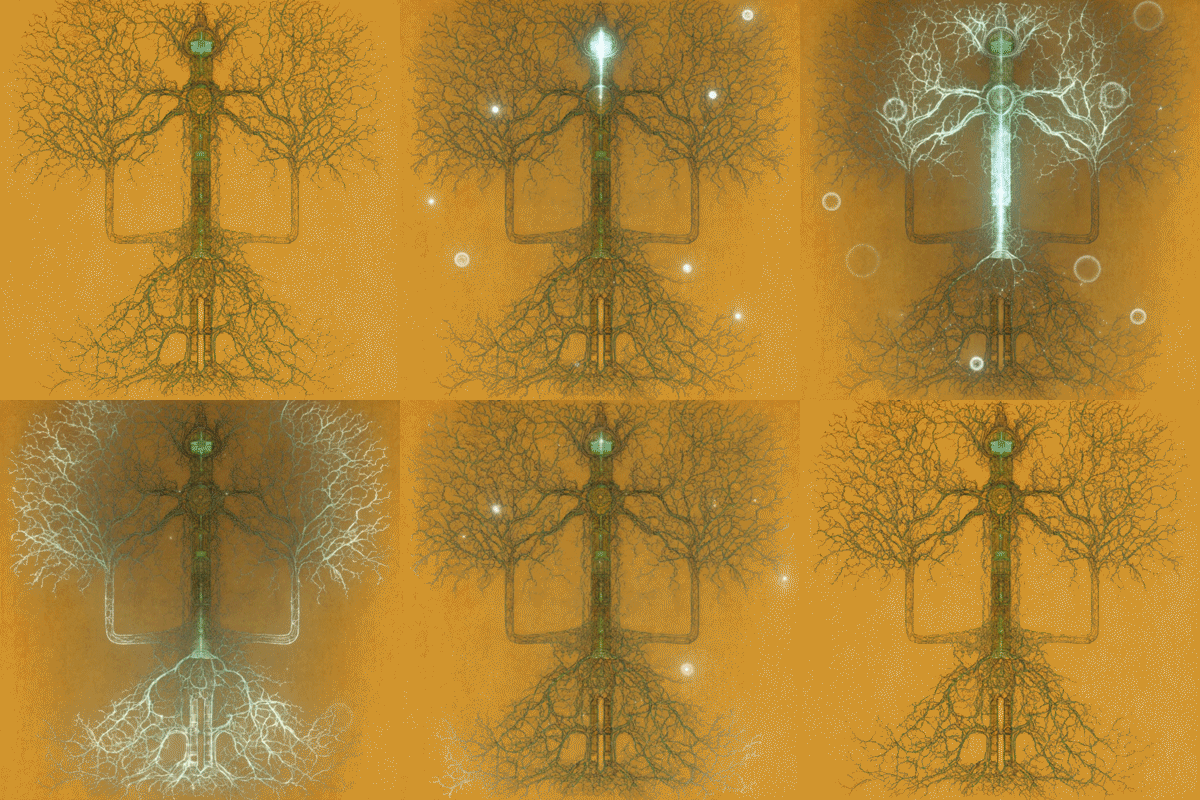
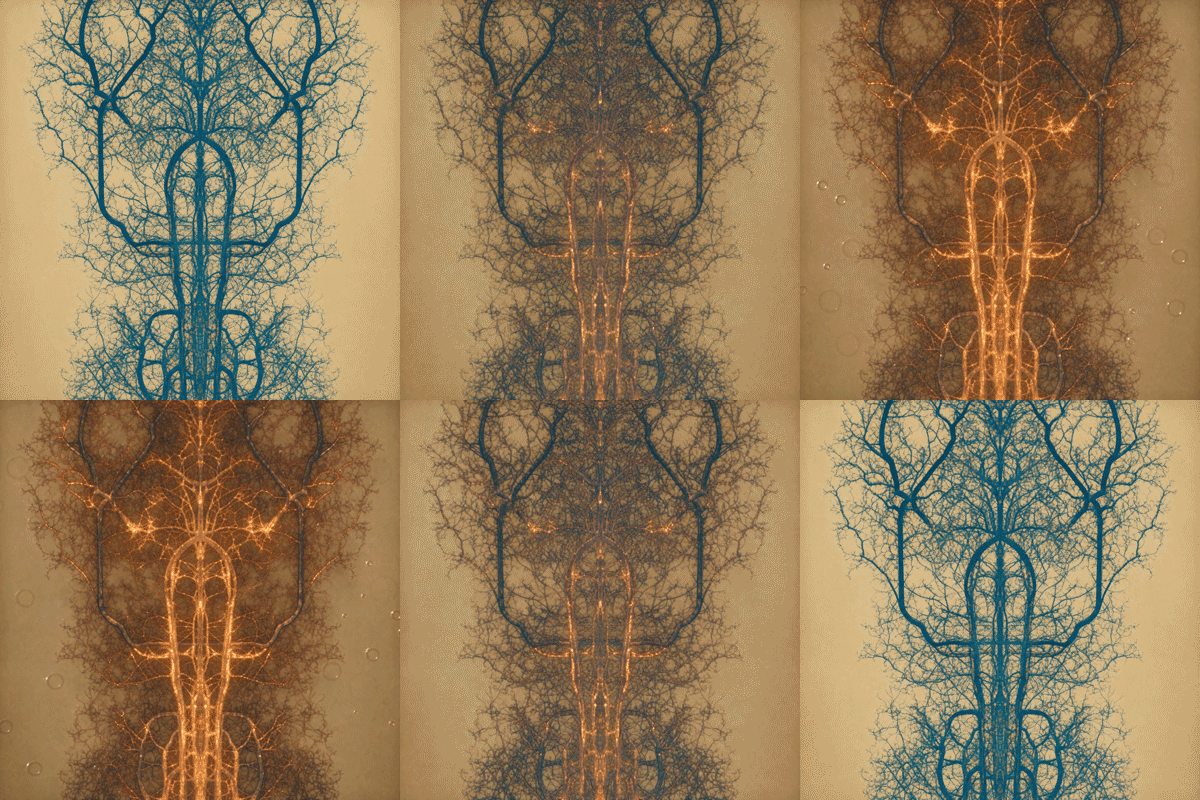
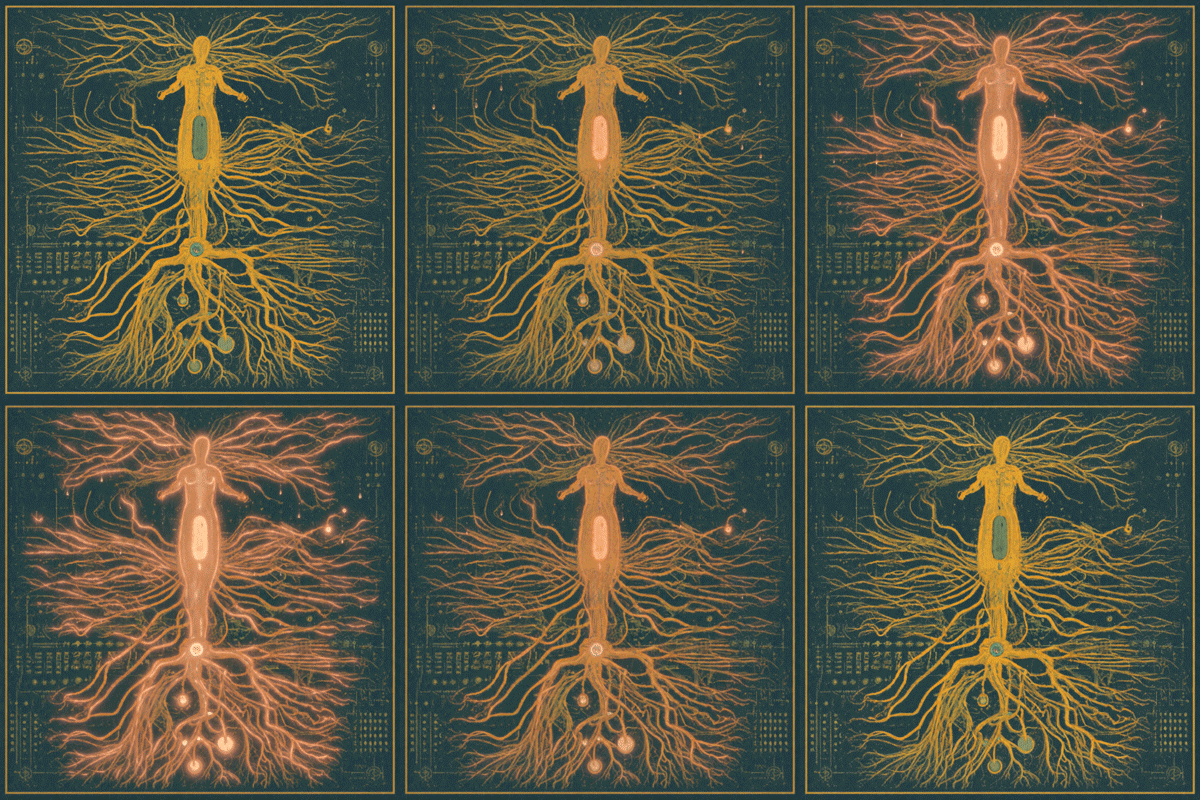
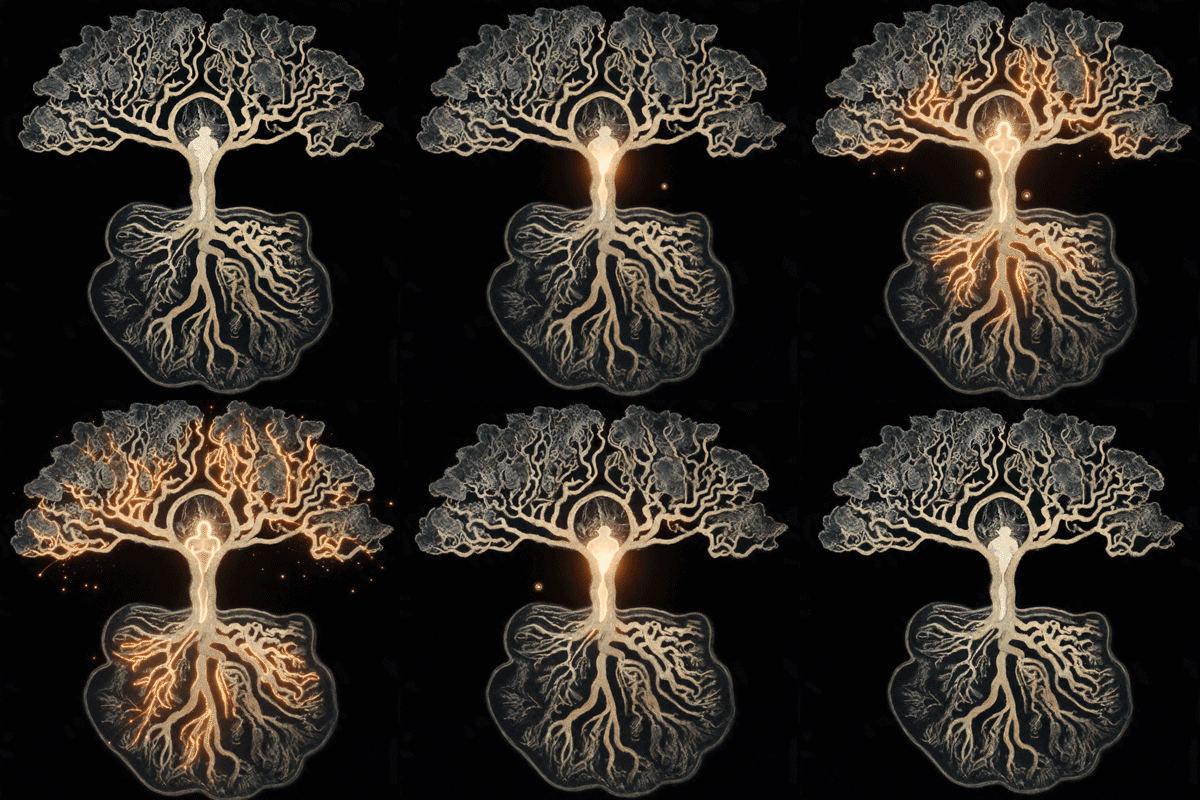
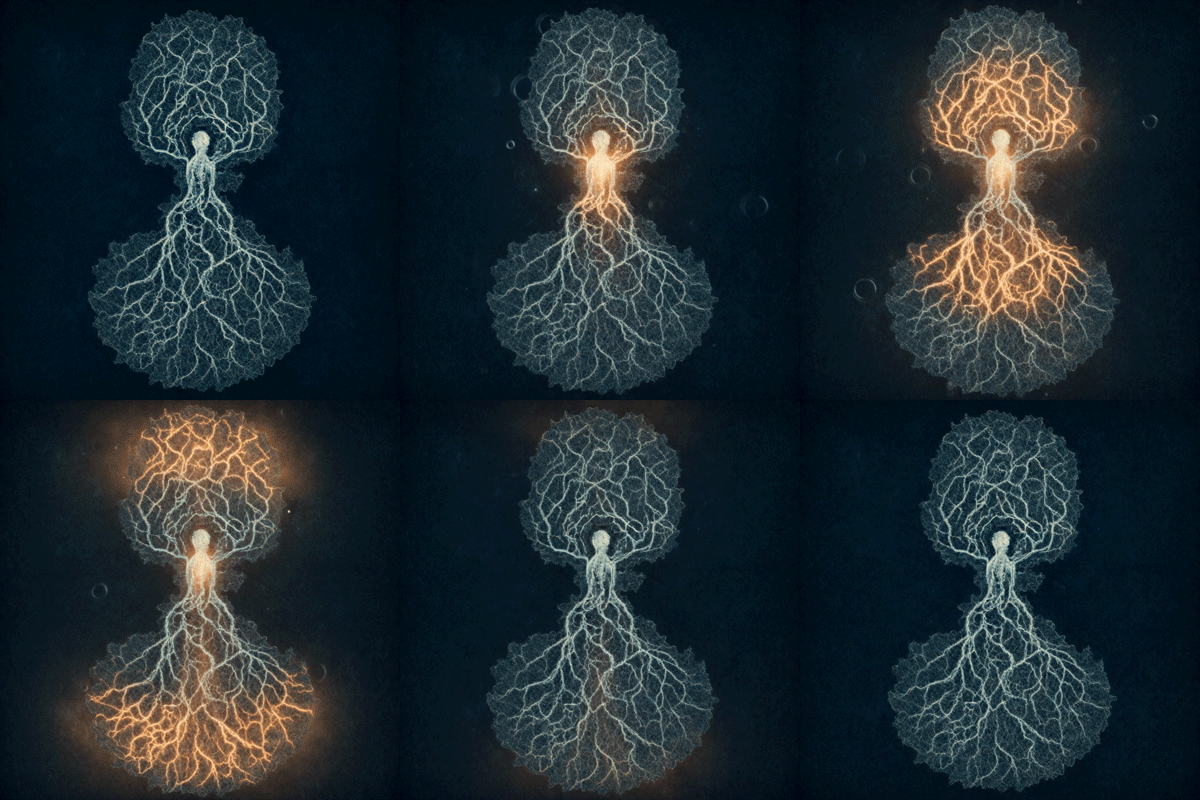
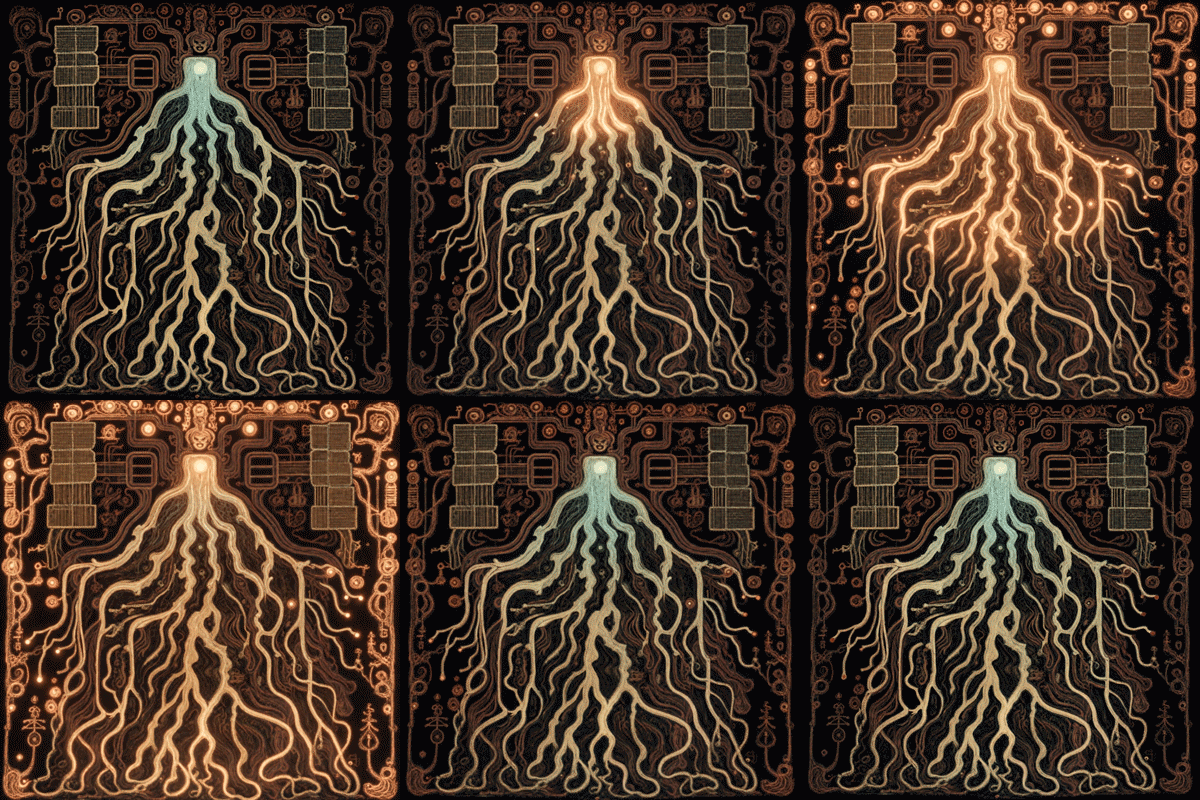
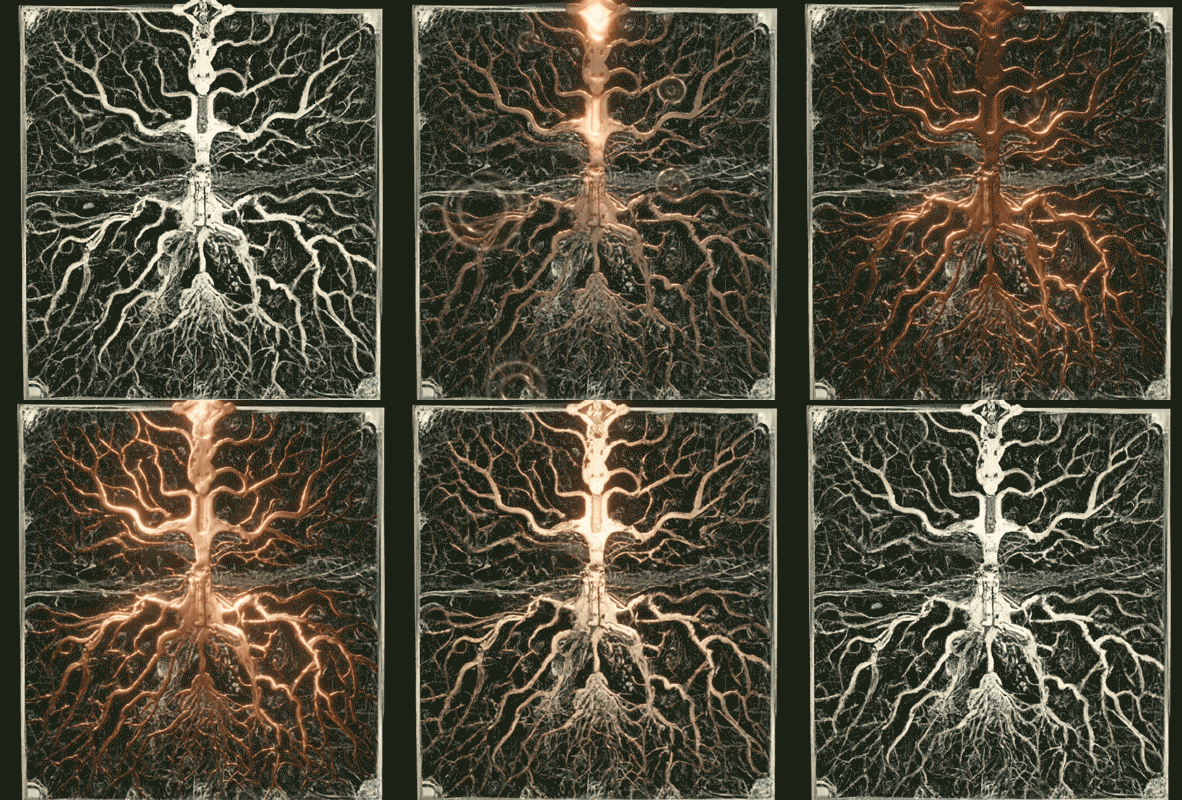
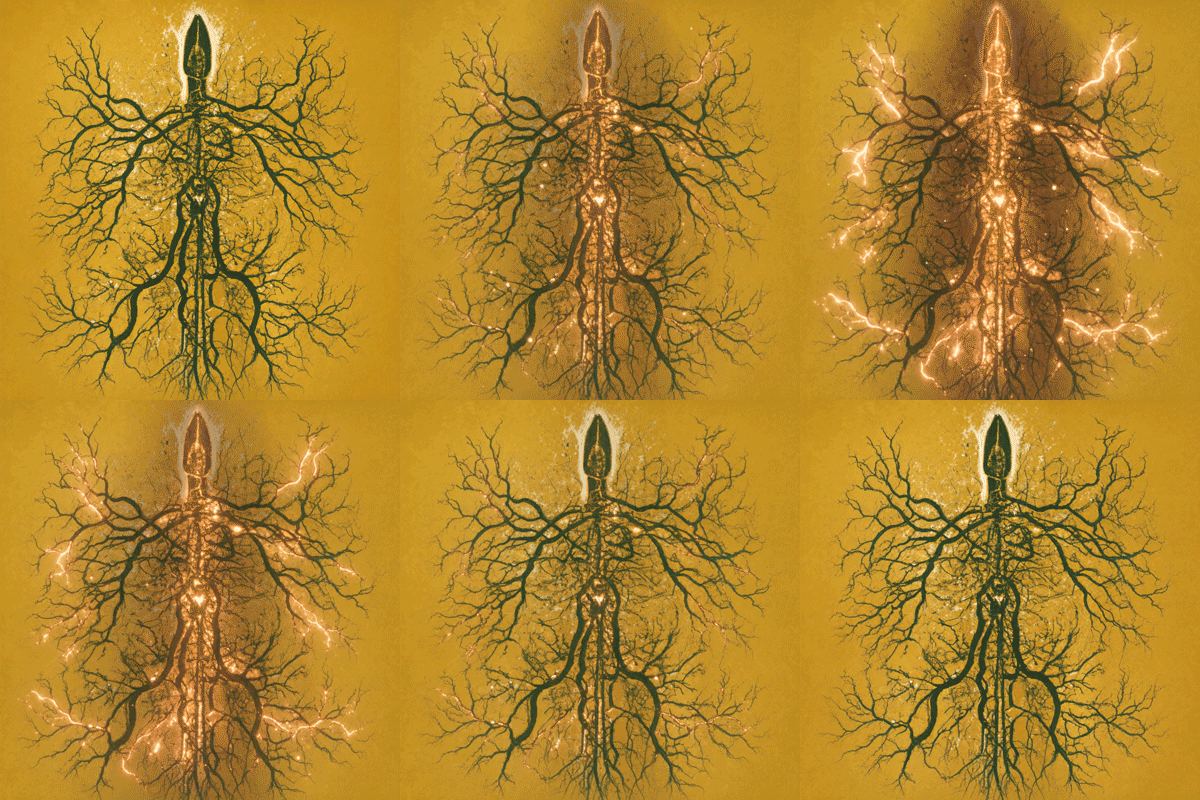
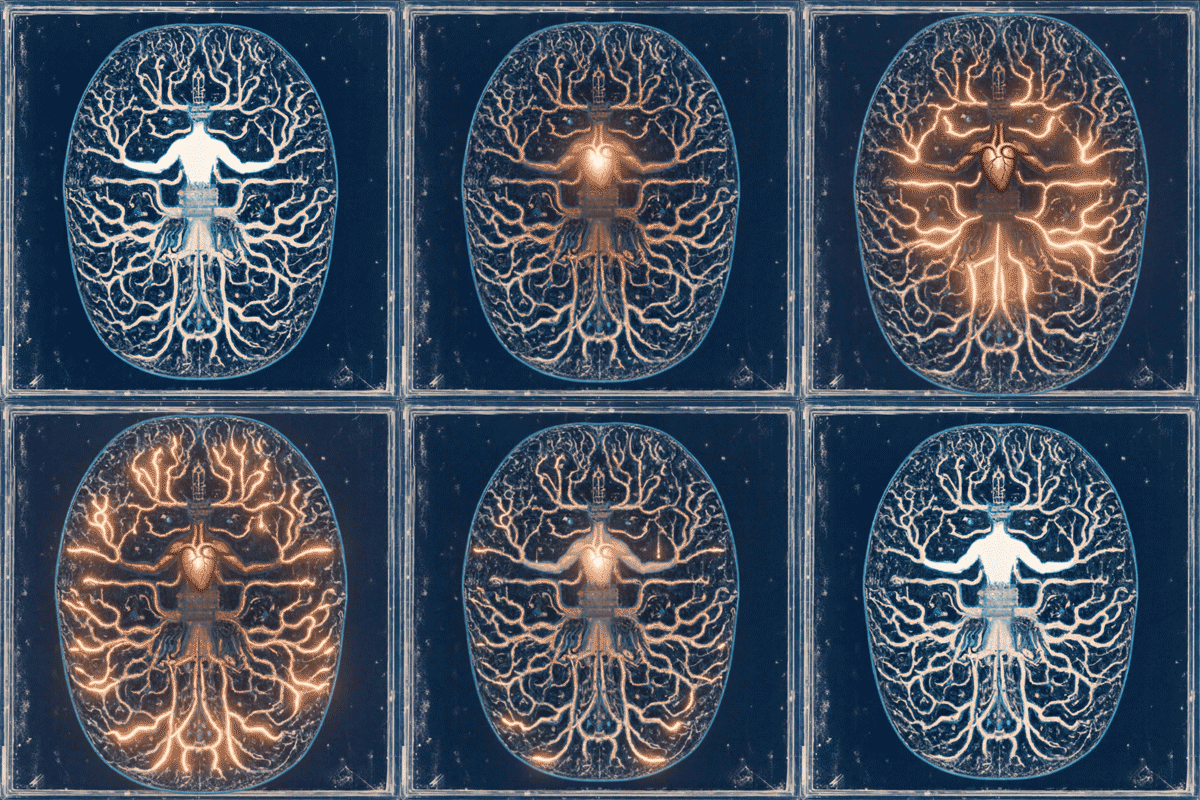
Through rhythmic pulses, glitches and loops that evoke the heartbeat and breath, the works mimic a spectrum of the body's autonomic processes and neural responses, looping through heightened arousal, excitation, sensory and sensorimotor activation, regulation and return to equilibrium.
These movements evoke the dynamic relationship between autonomic activation, interoceptive awareness and multisensory integration, or more simply, the way our bodies register, respond to and express the experiences of our internal and external landscapes.
They are also expressions of ecstatic pleasure, the electricity of resonance and the grounding force of connection and neurochemical excitation. Each work traces the exquisite experience of being a body in responsive exchange with the world.
Digital and Physical Coalescence
This work positions the hybrid existence between digital and physical reality as not split, but rather naturally analogous and integrated. The technological is depicted as an extension of our physical reality, a quantum echo. The electrical current of energy that runs through technology is imagined as arising from the same fundamental energetic reality that animates our body-mind-spirit.
And this brings us beautifully to li 理. In traditional Chinese philosophy, li 理 describes not simply pattern, but the coherence, principle and intrinsic organisation through which things take form and exist in relation to one another. In my work, the patterns governing the digital realm, the human nervous system and the structures of nature become different manifestations of this underlying relational order.
Sympathetic Resonance
Rather than simply representing the body's systems, these works seek to evoke sympathetic resonance, awakening in the viewer an experience that moves beyond observation towards the somatic sensation of being human. Through these digital expressions of esoteric and neurobiological human experiences, I ask the question: Can art evoke a somatic response?
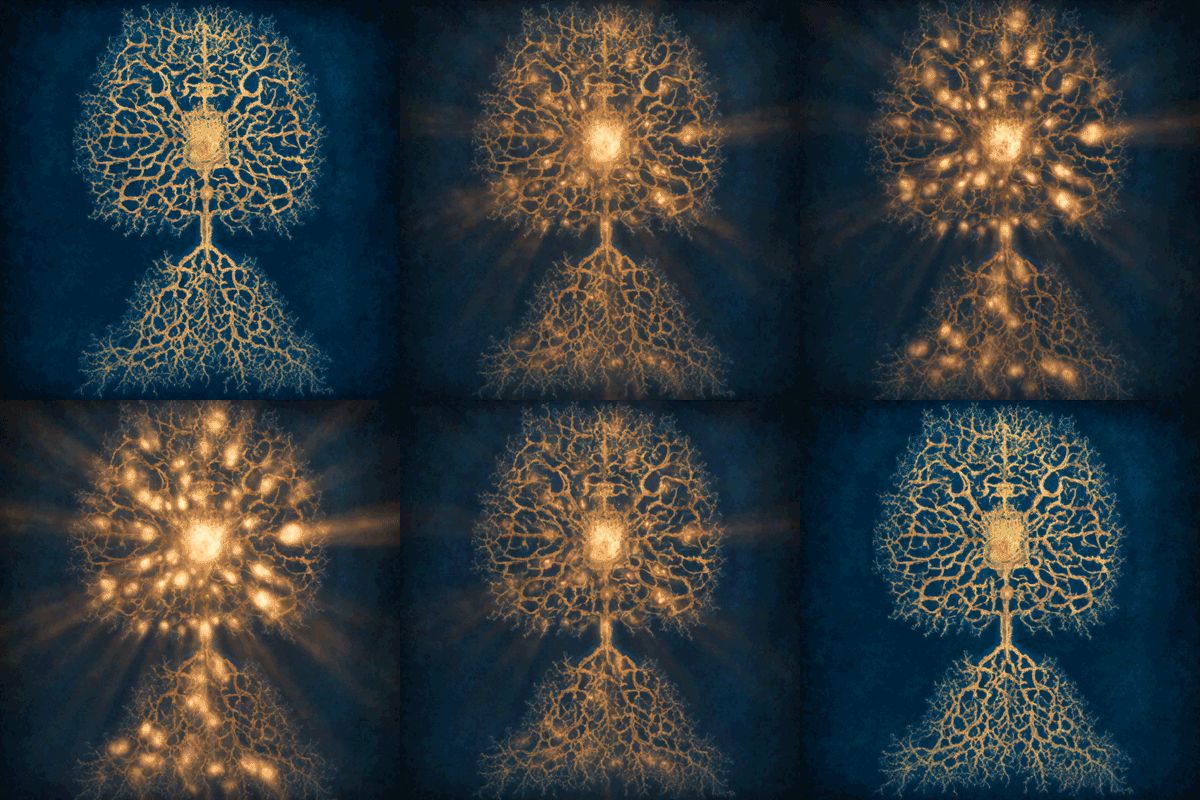
Field of Dreams (2026)
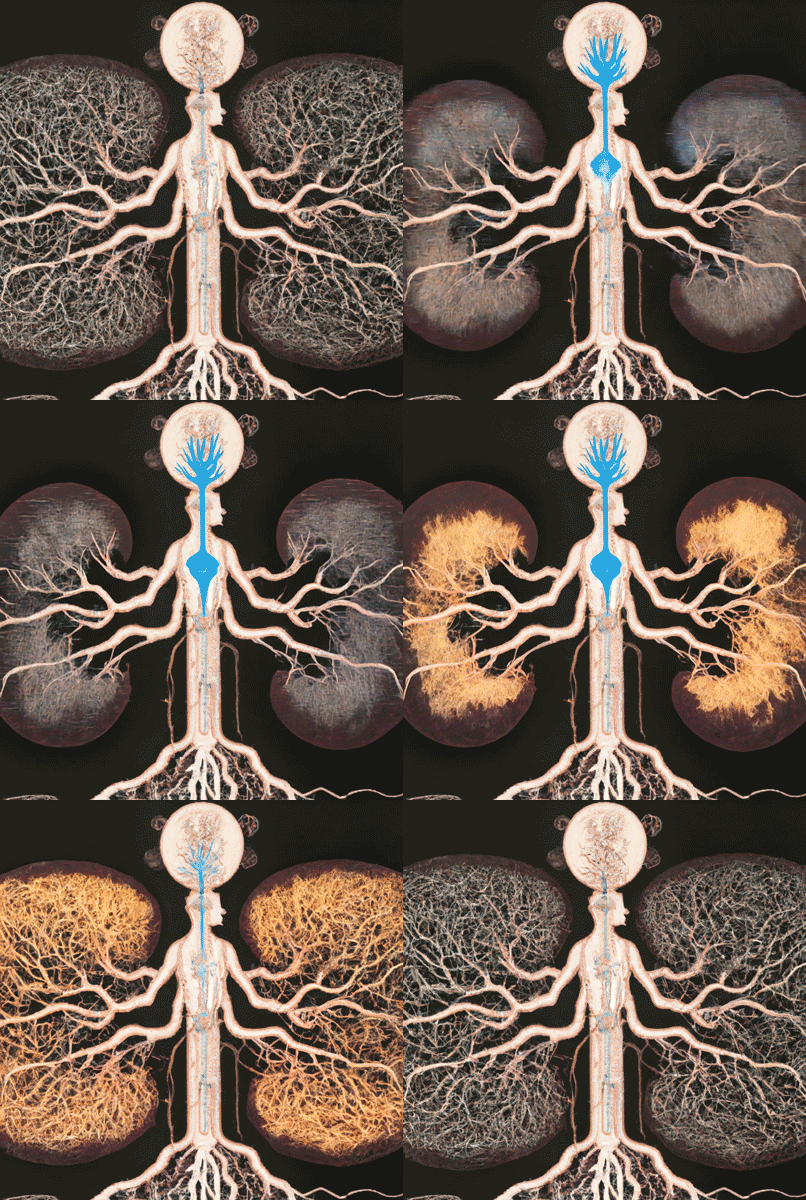
Intuition (2026)
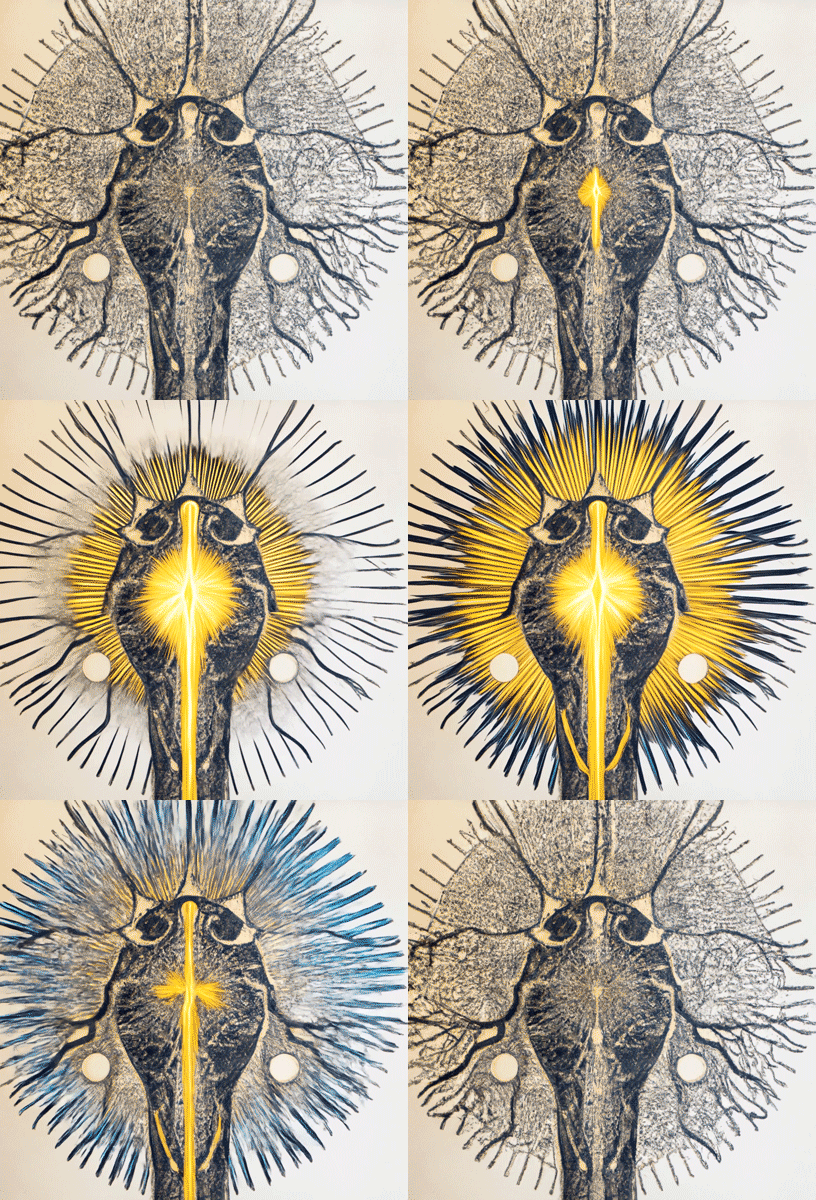
Quantum Leap (2026)
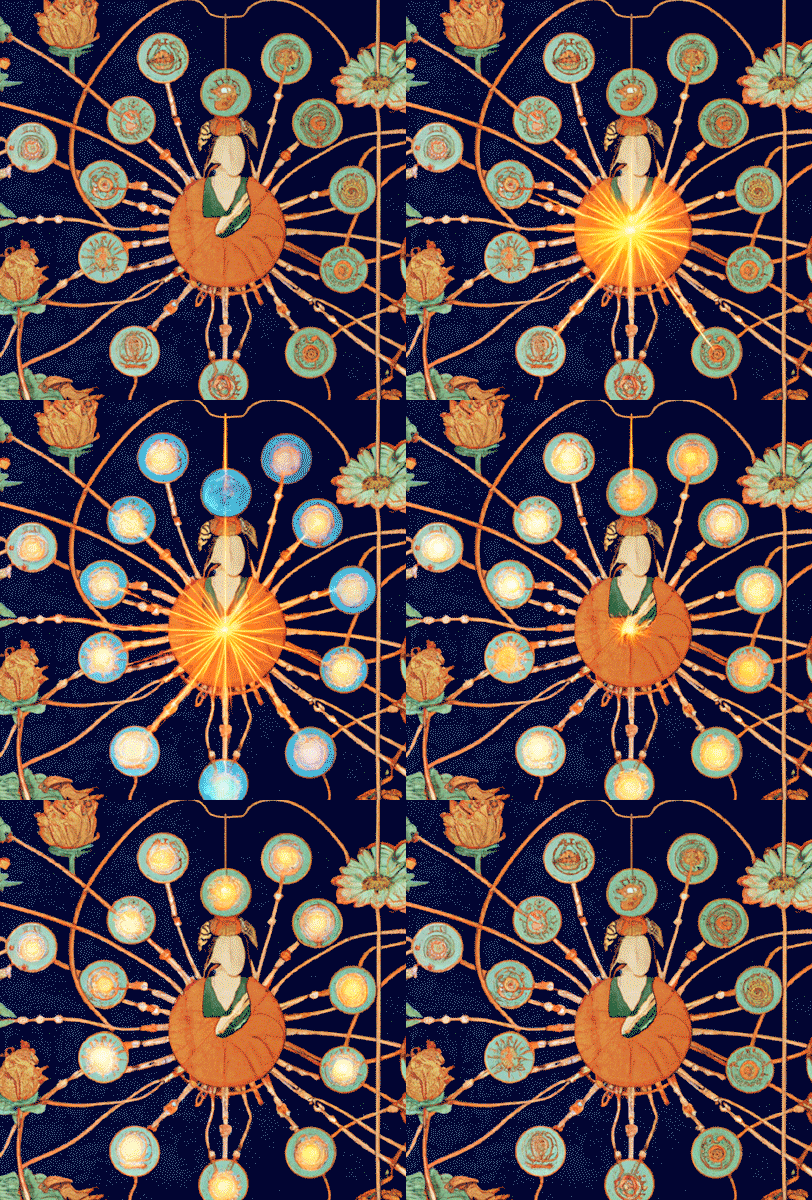
Intelligence (2026)
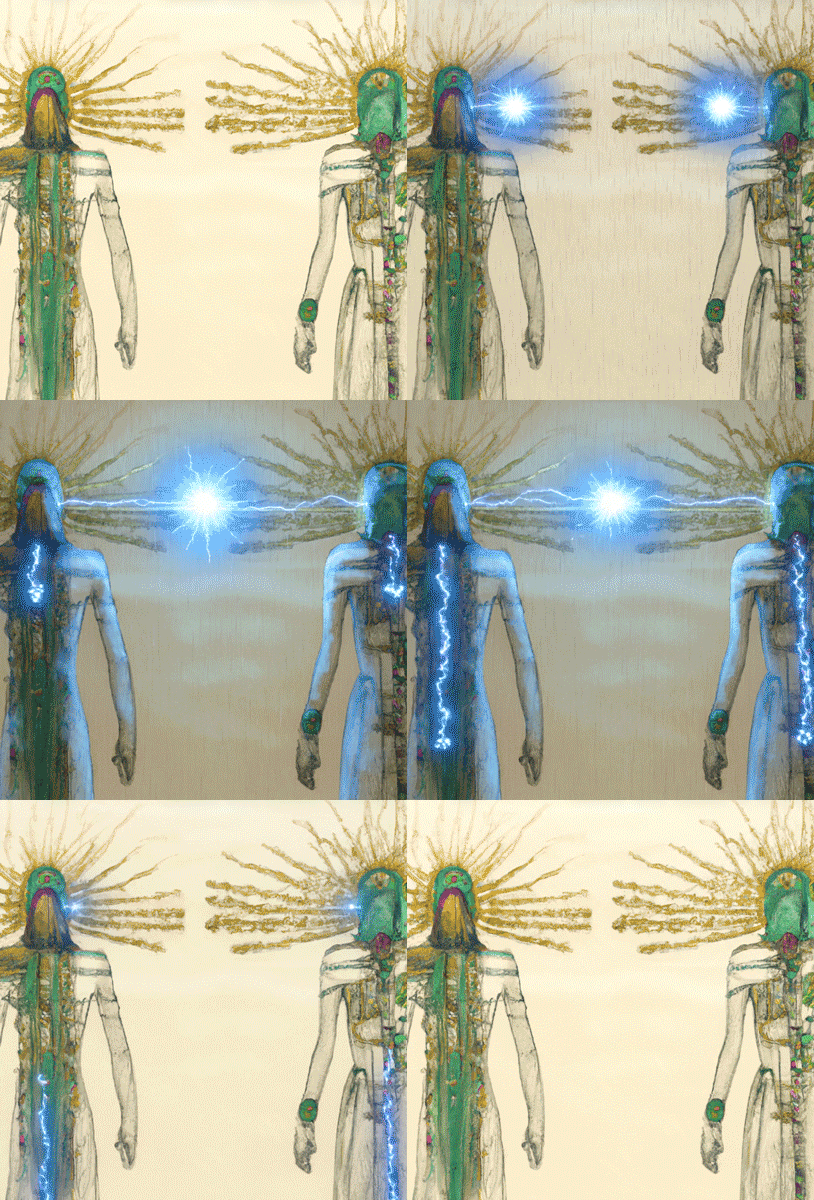
Union (2026)
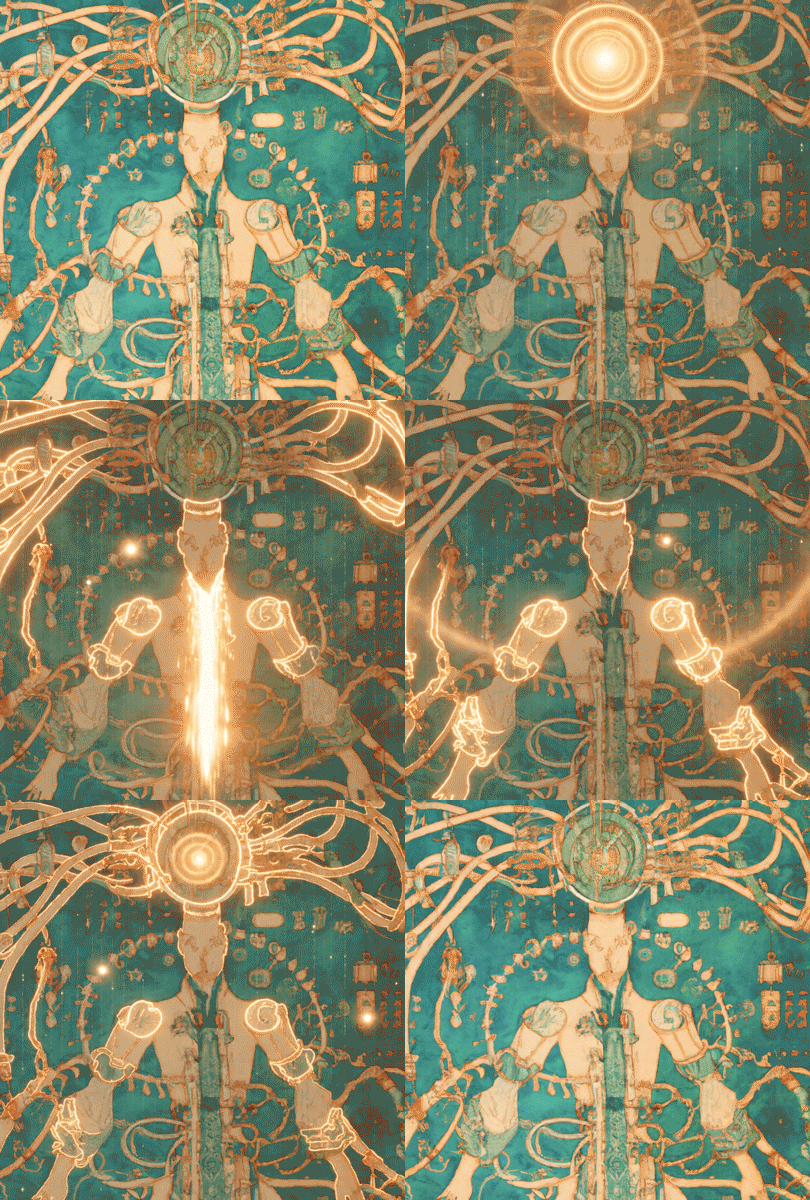
Untitled (2026)
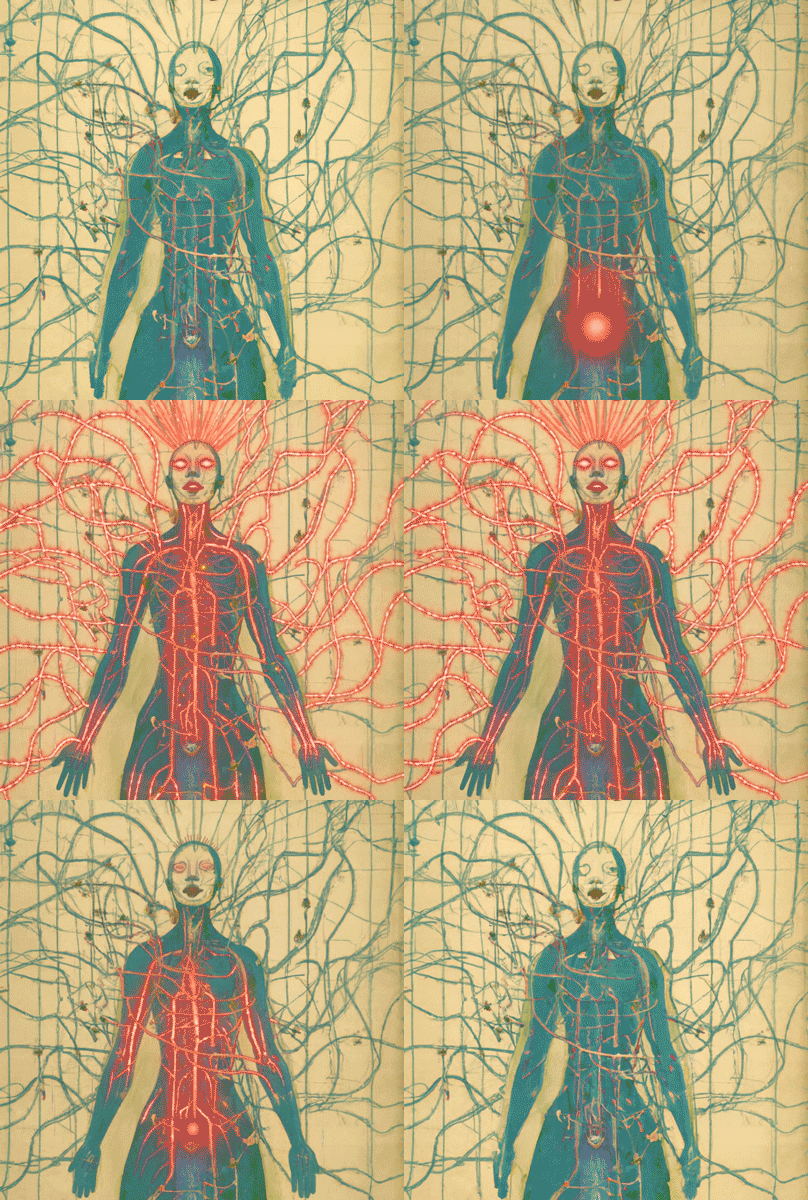
Networked (2026)
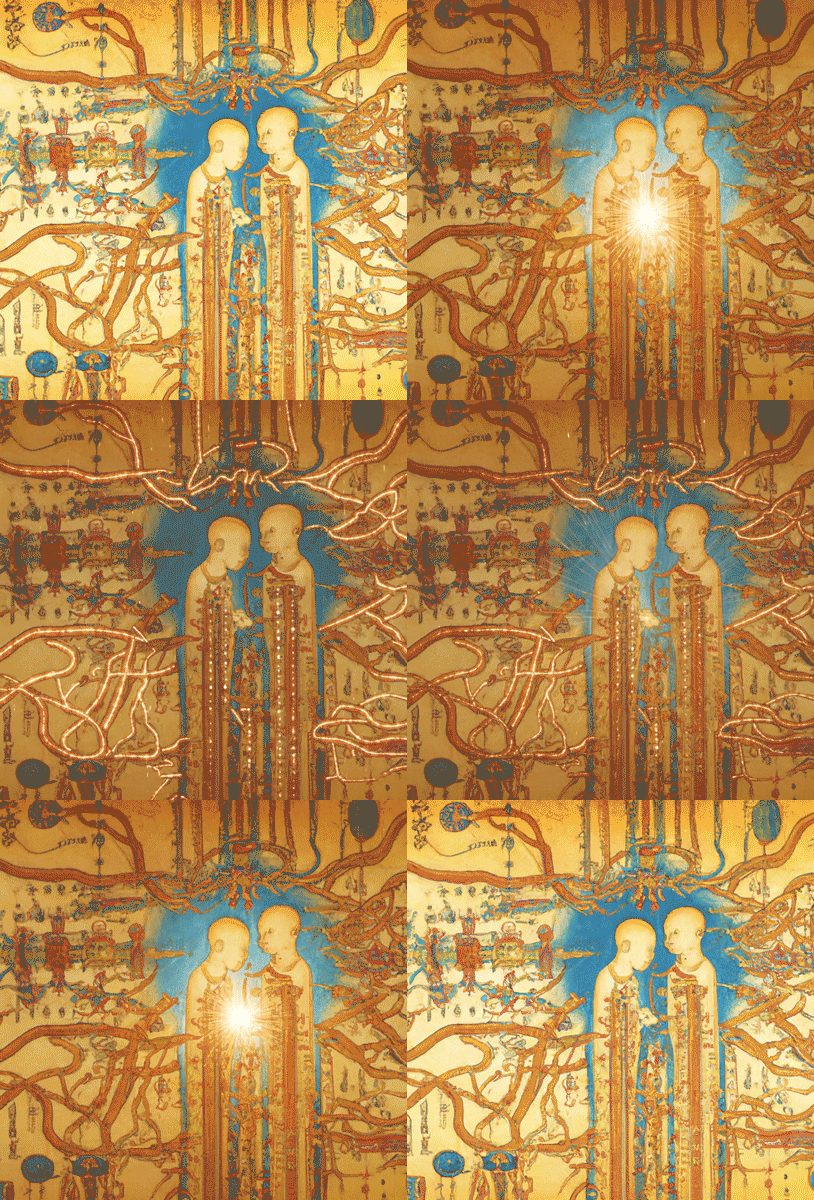
Untitled (2026)
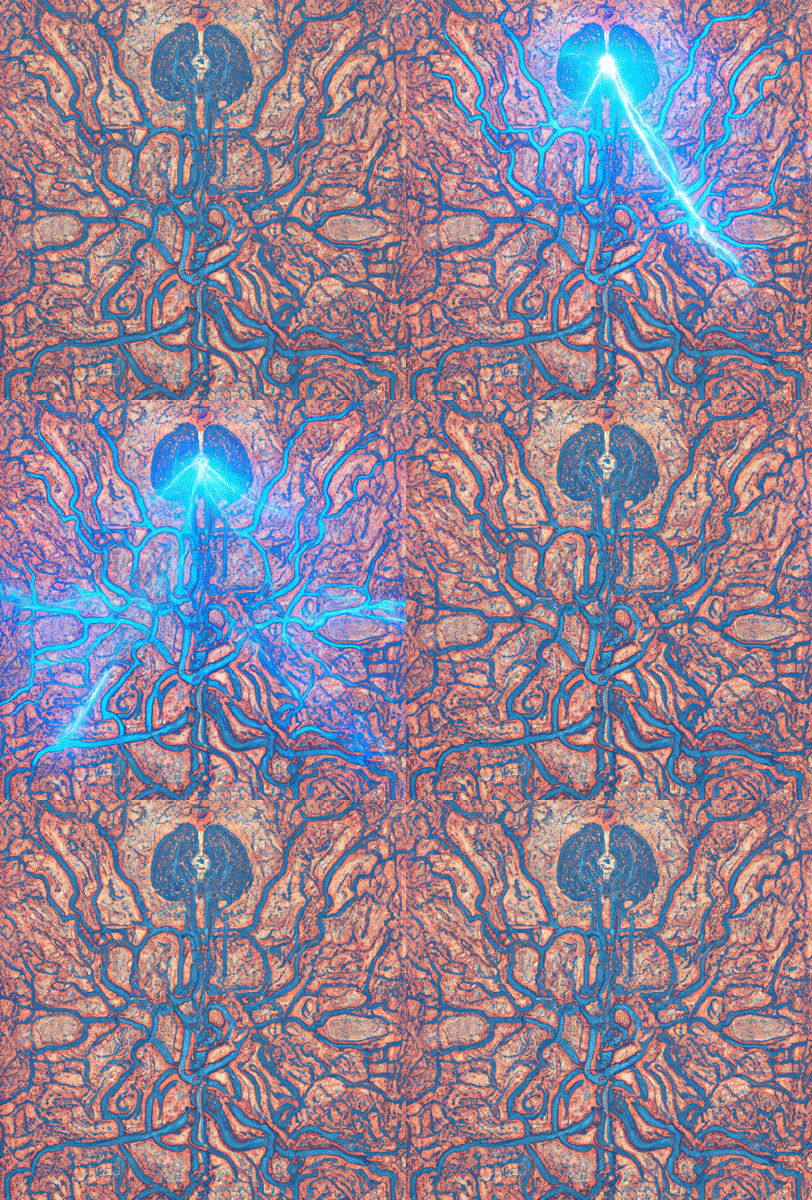
Untitled (2026)
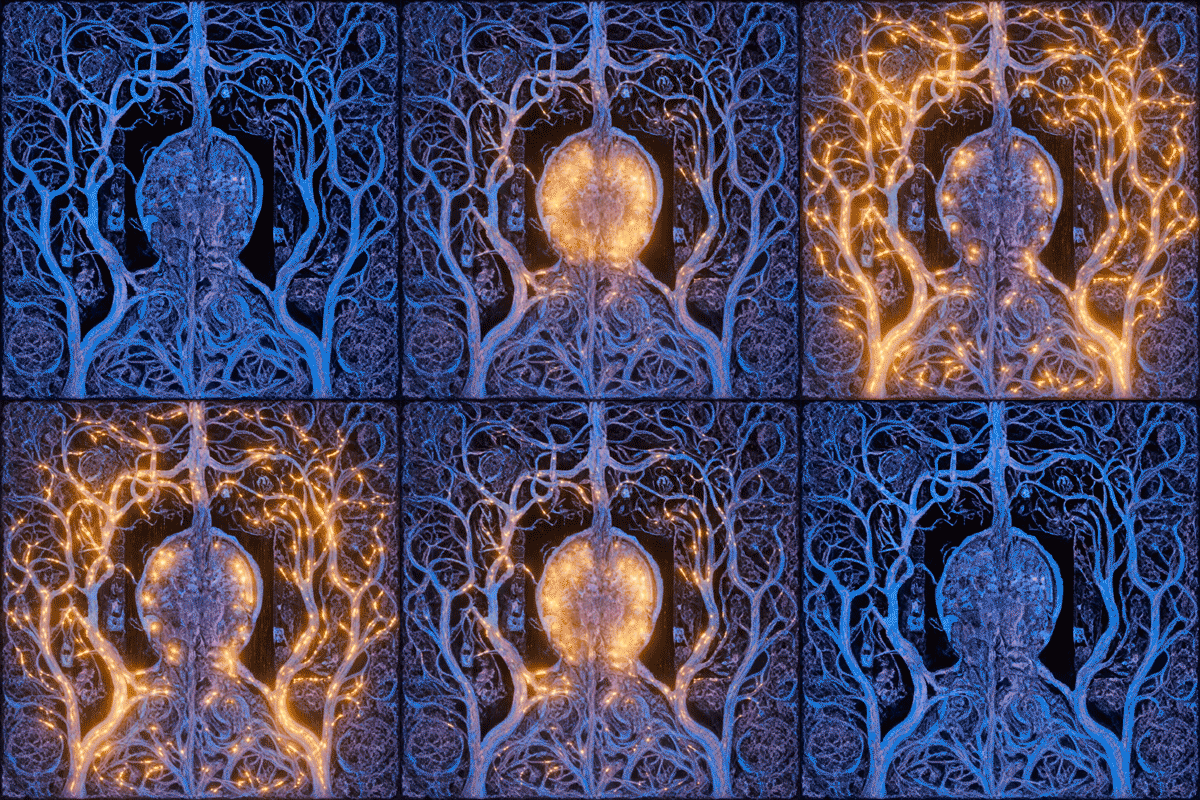
Conception (2026)
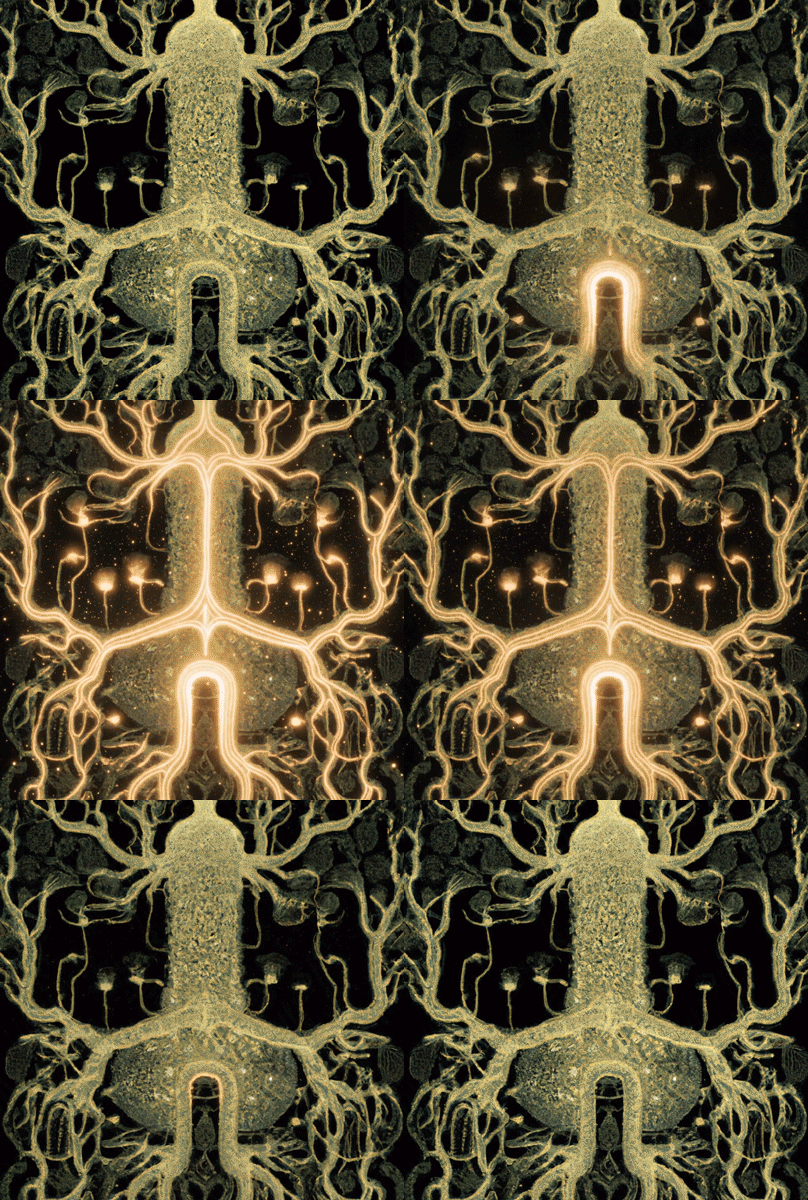
Yang (2026)
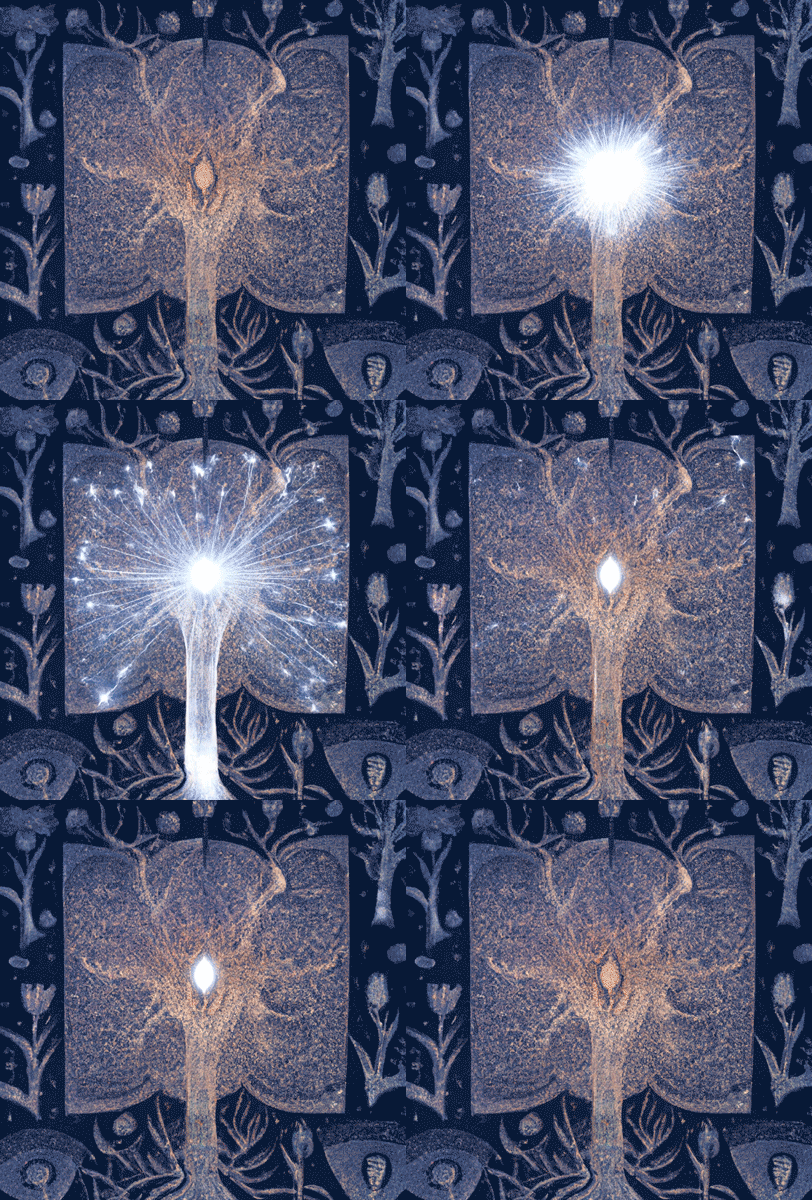
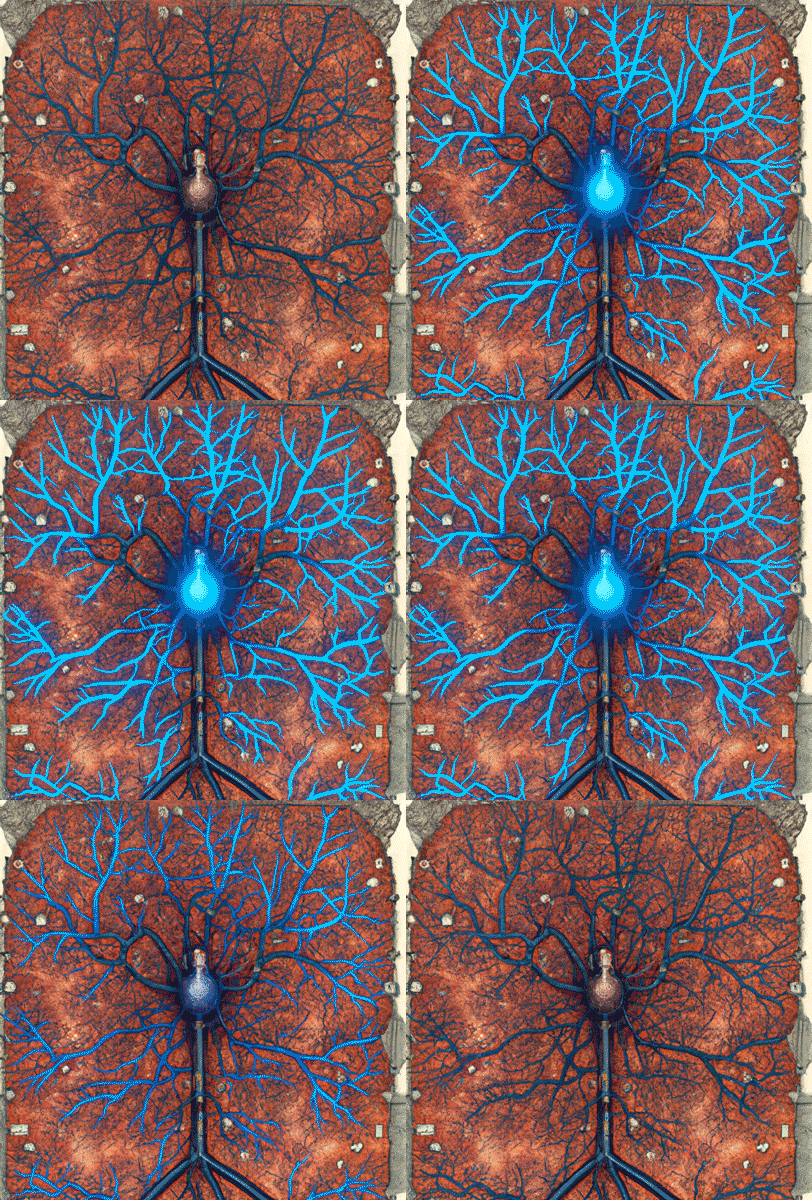
Untitled (2026)
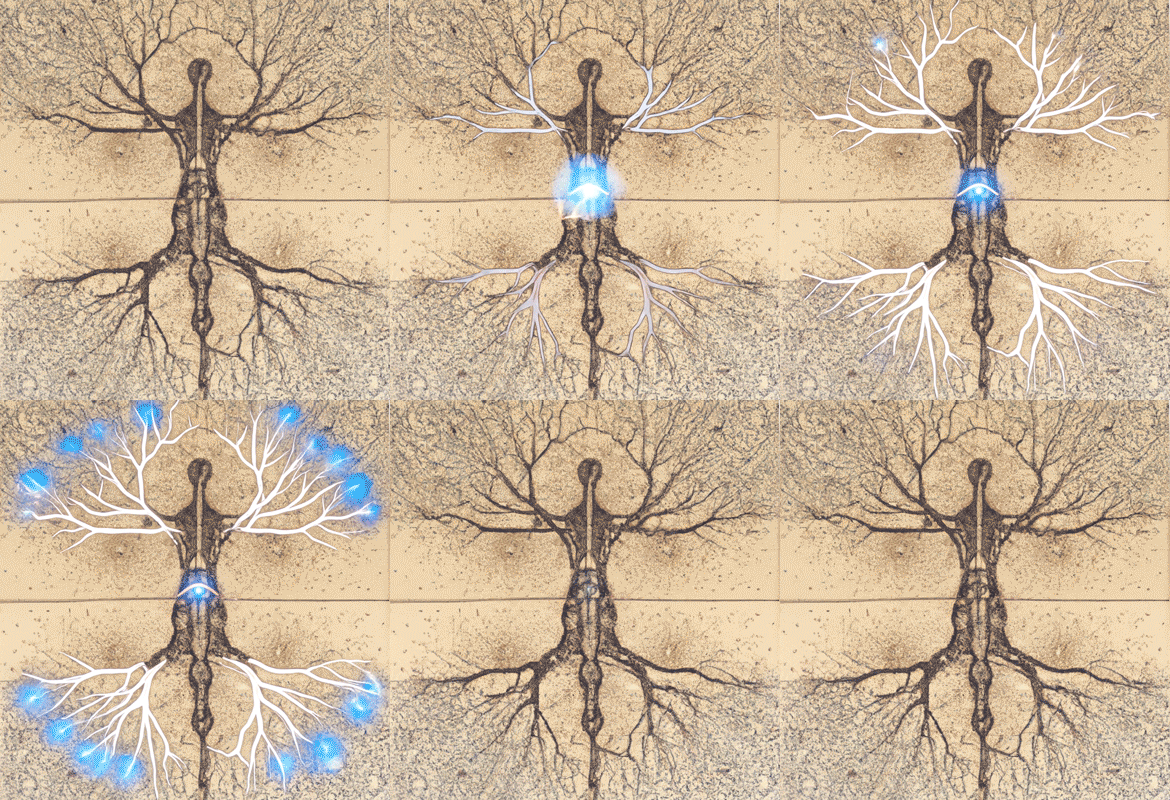
Untitled (2026)
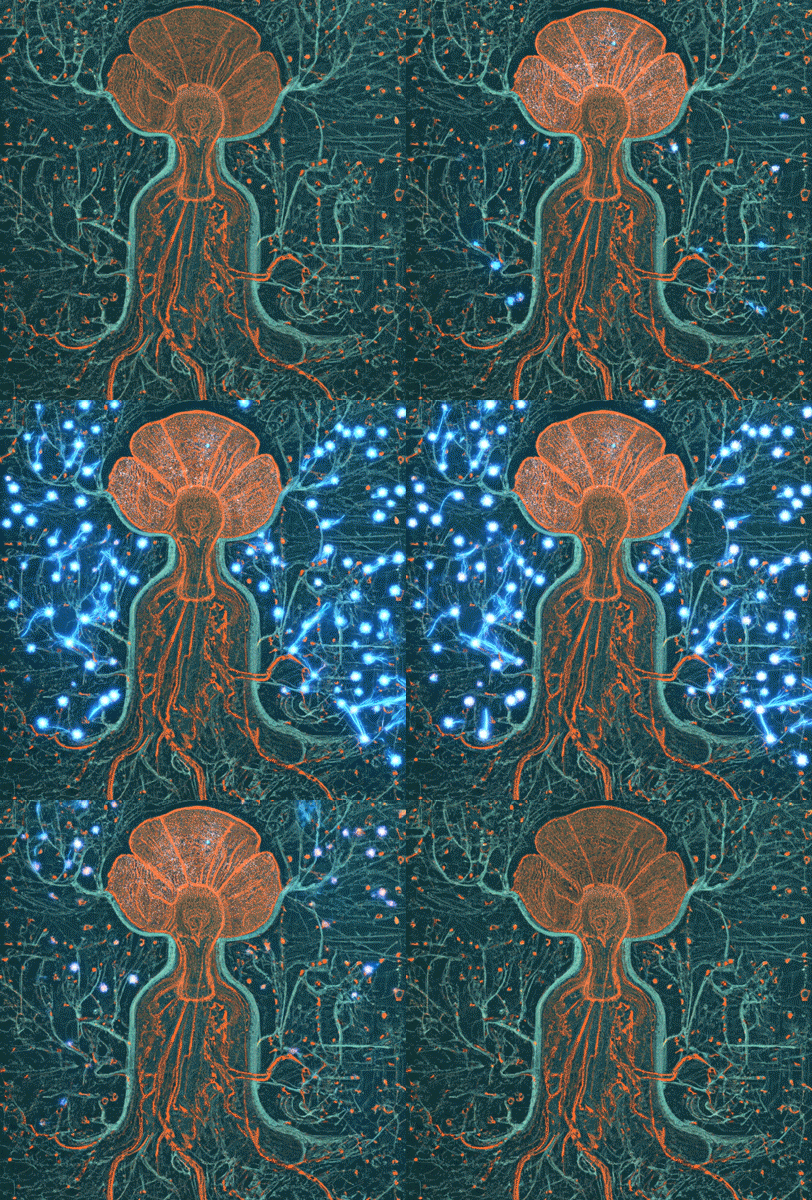
Untitled (2026)
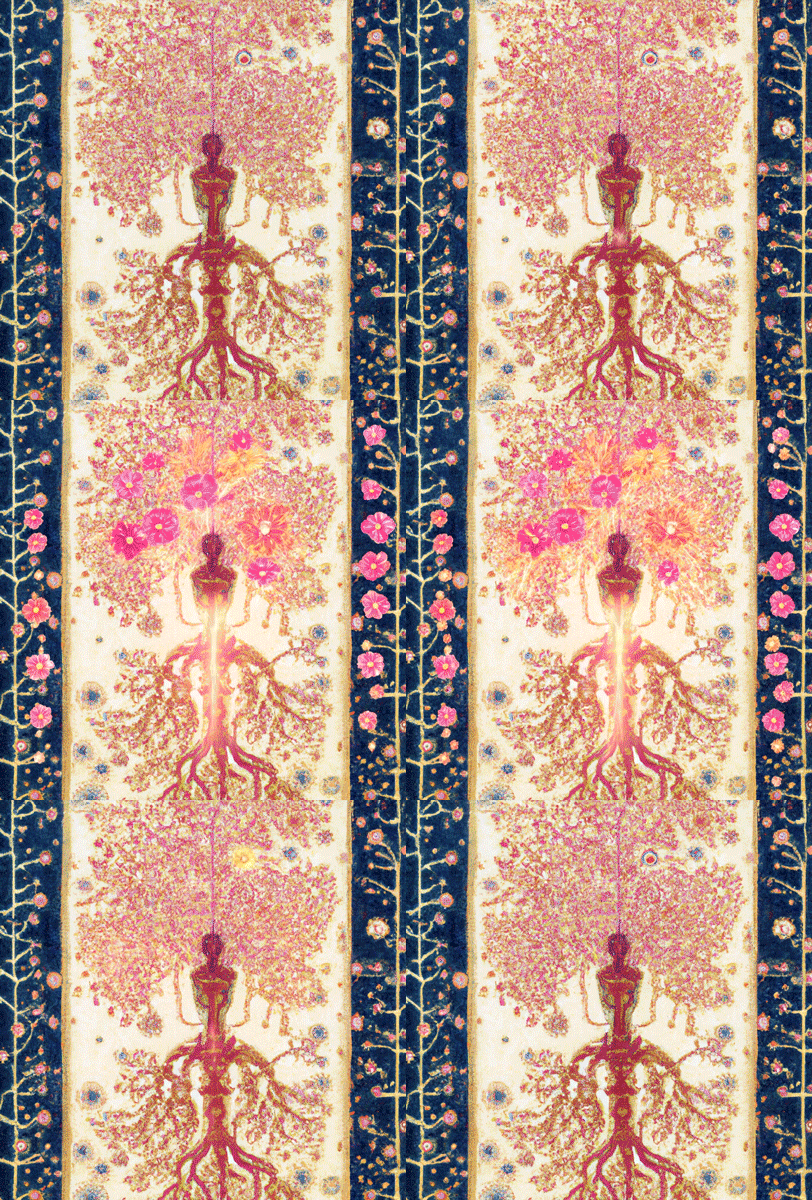
Untitled (2026)
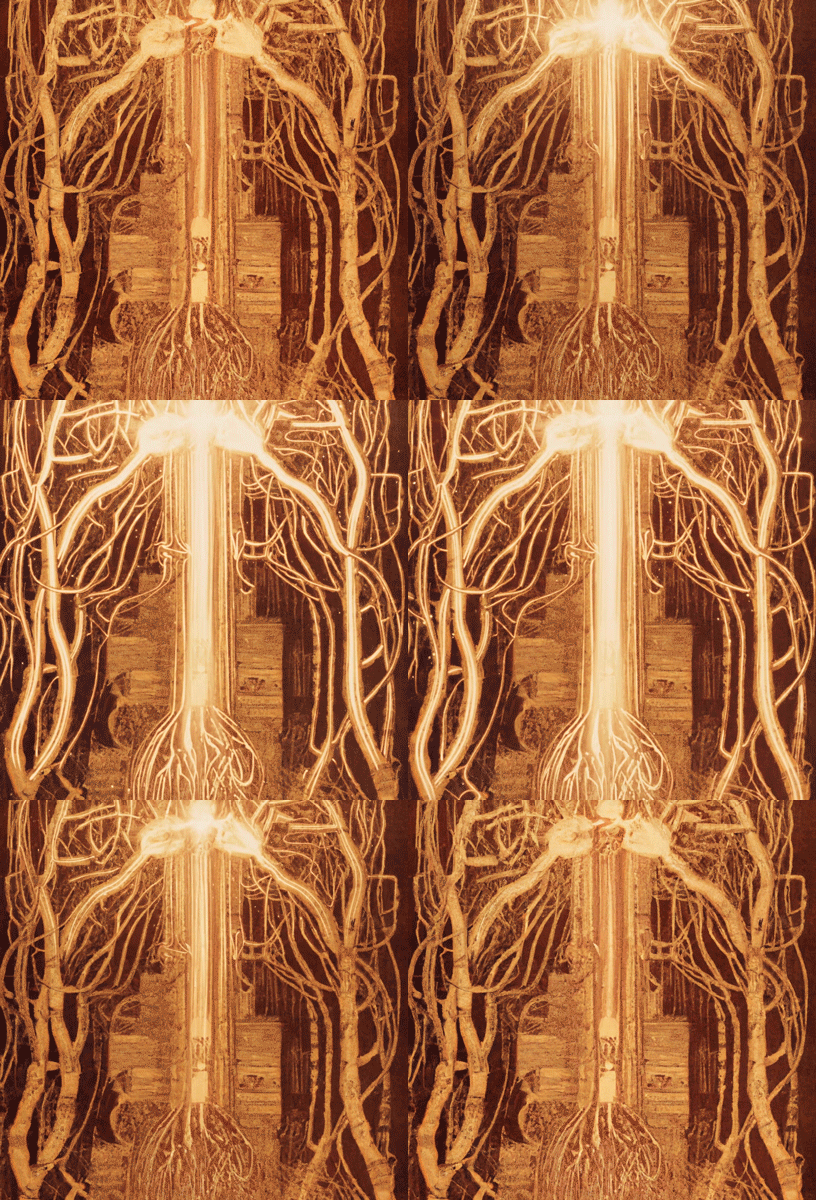
Untitled (2026)
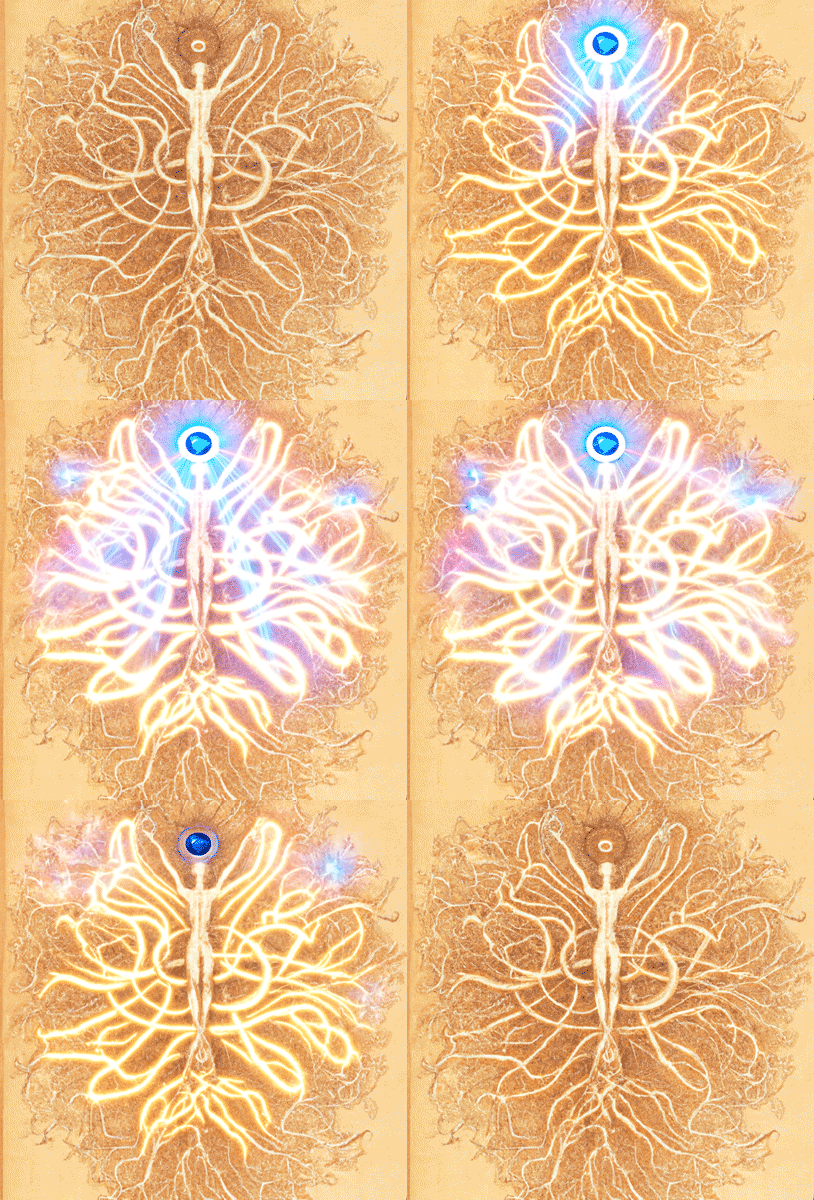
Untitled (2026)
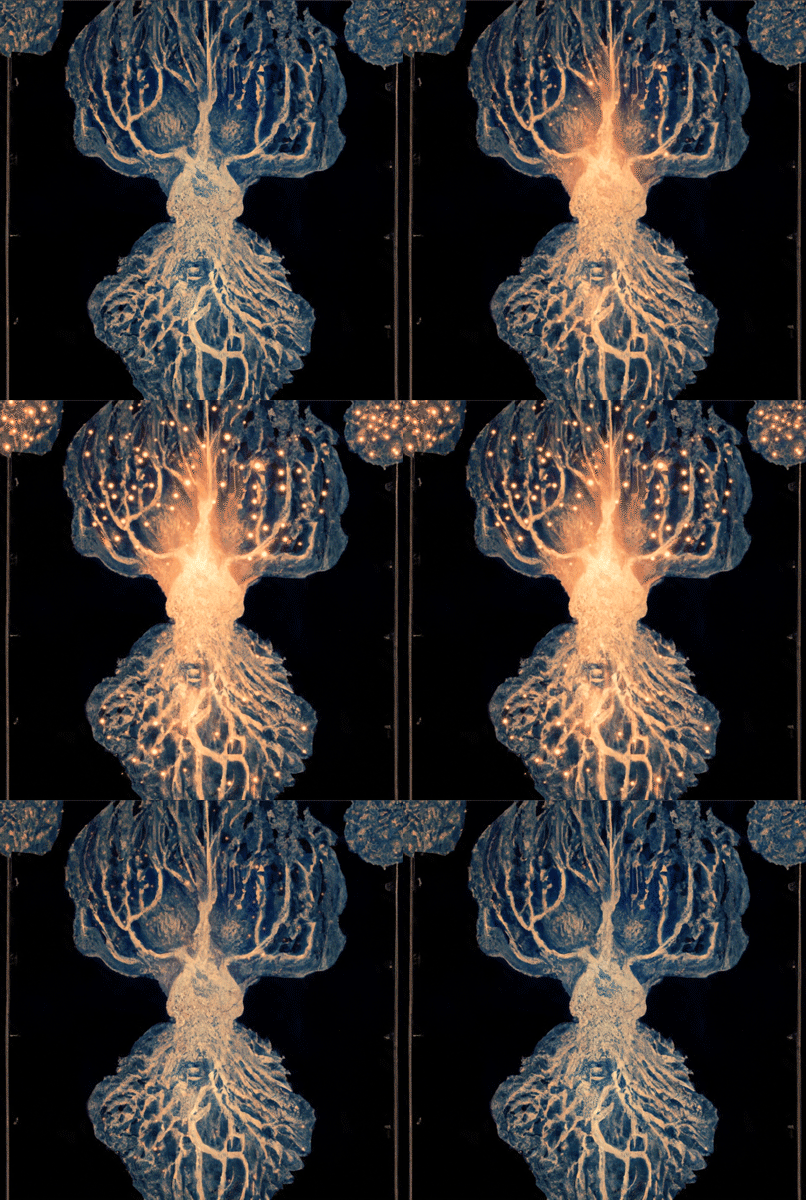
Untitled (2026)
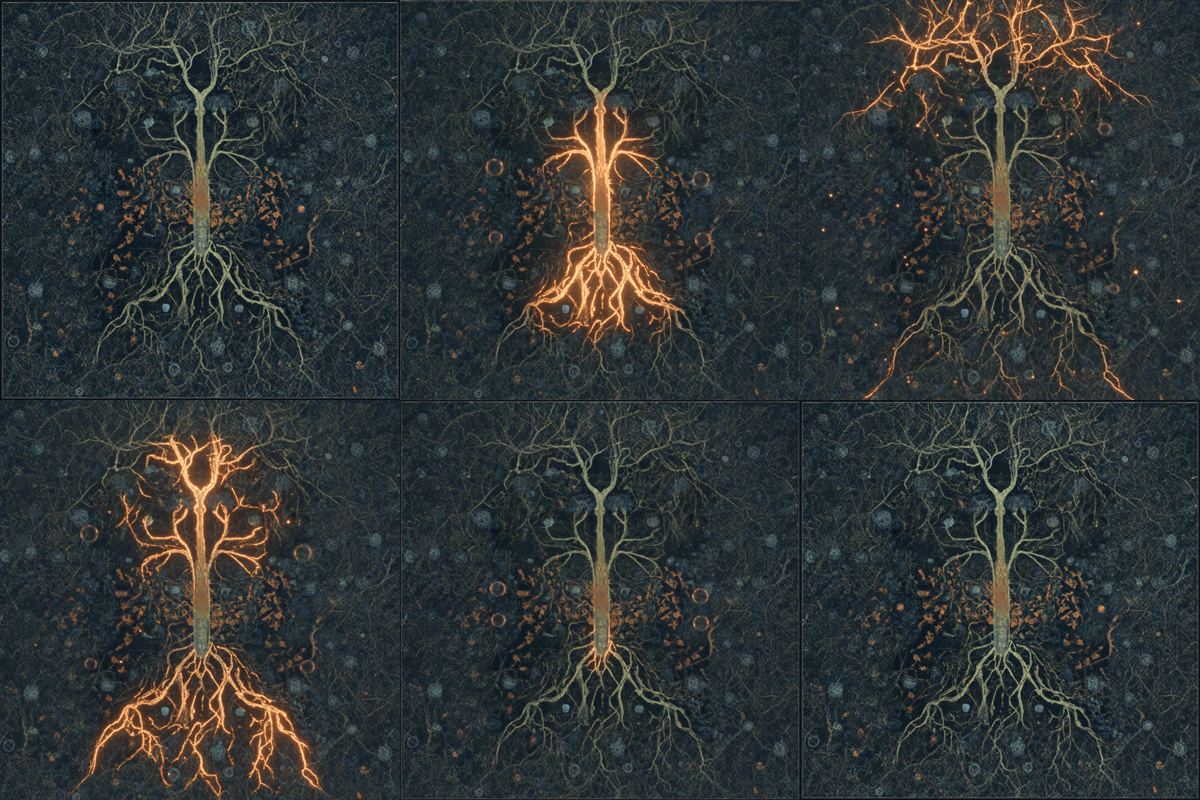
Untitled (2026)
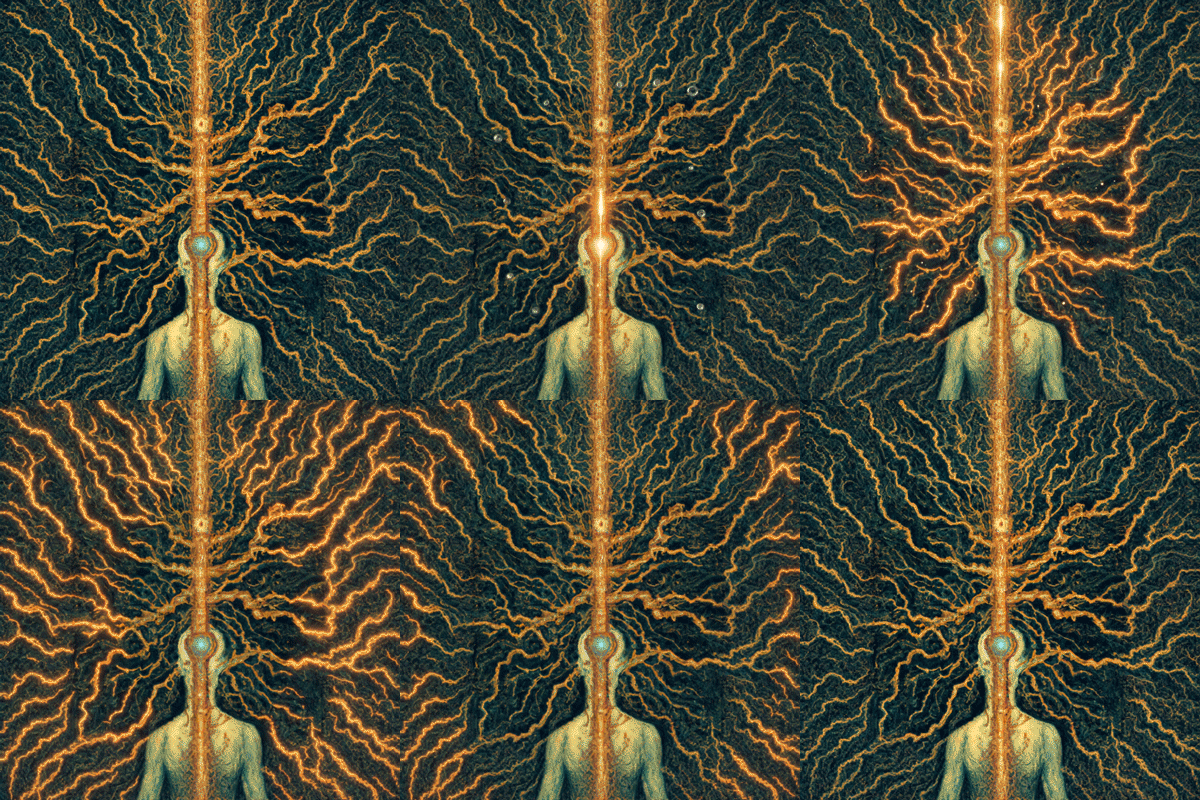
Upload (2026)
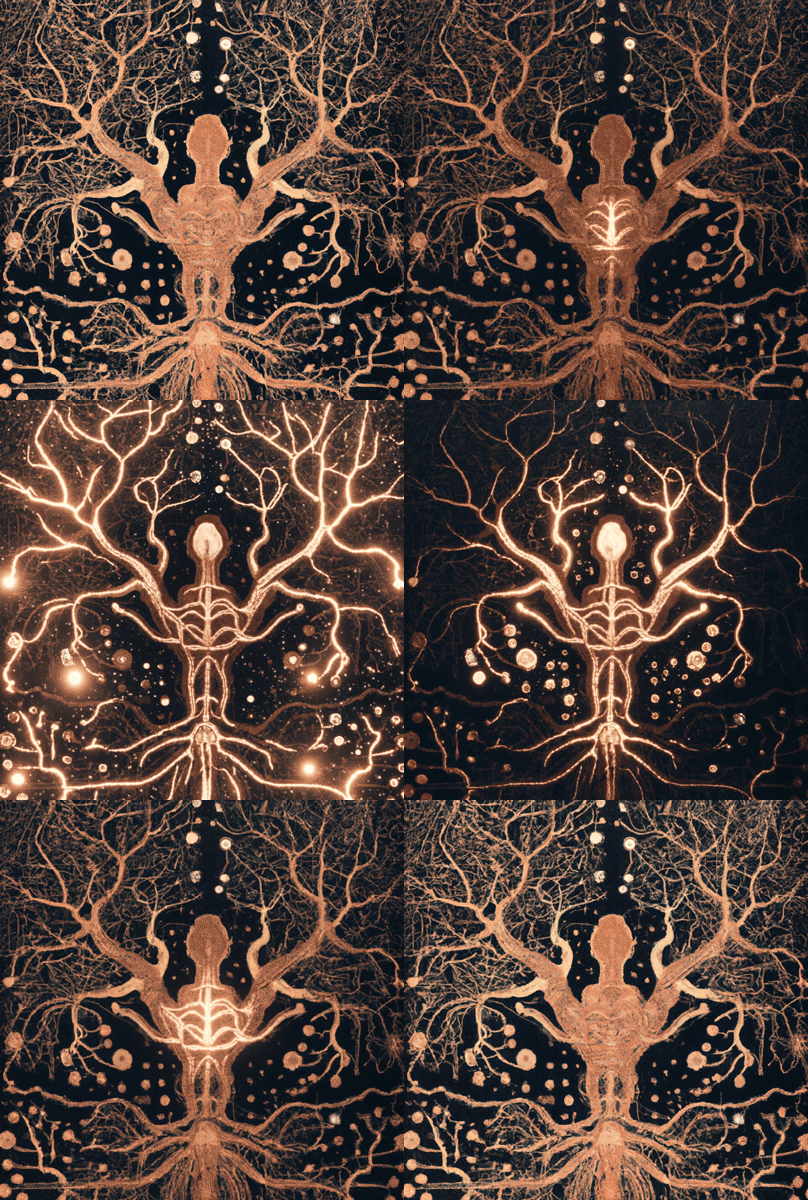
Glitch (2026)
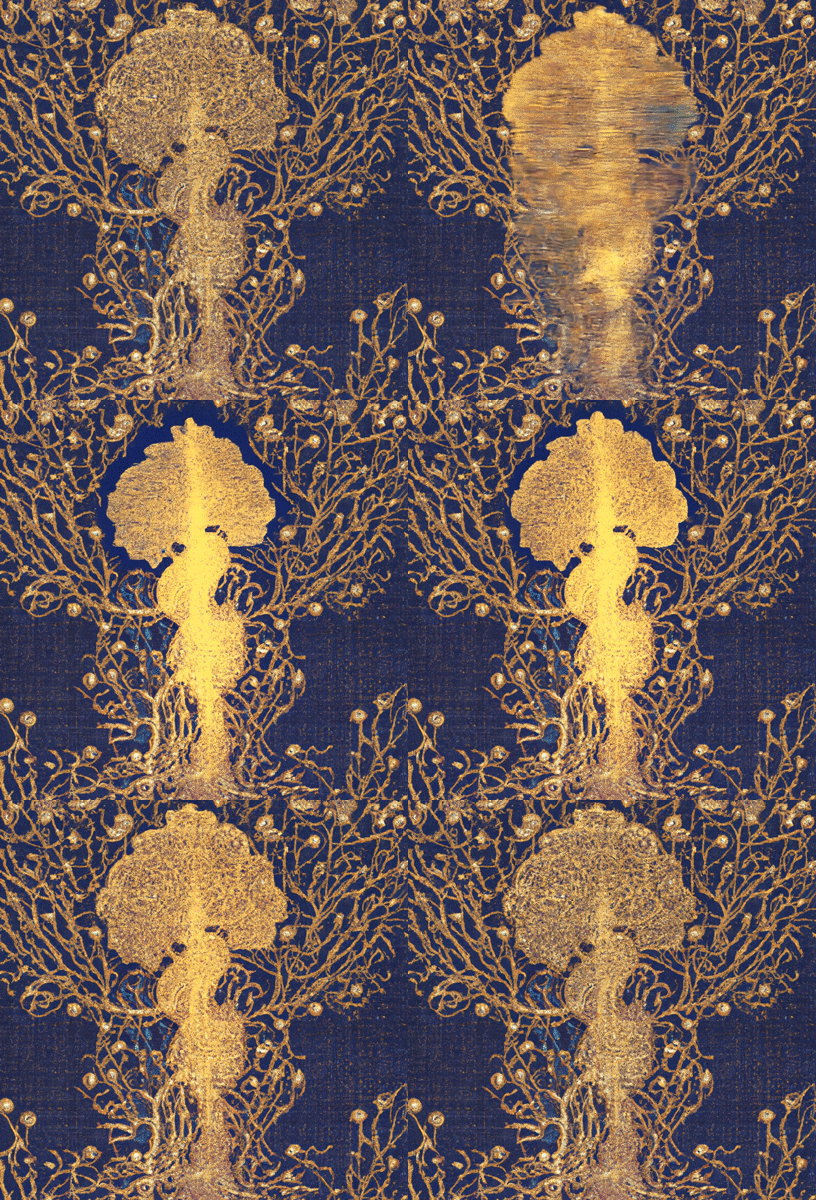
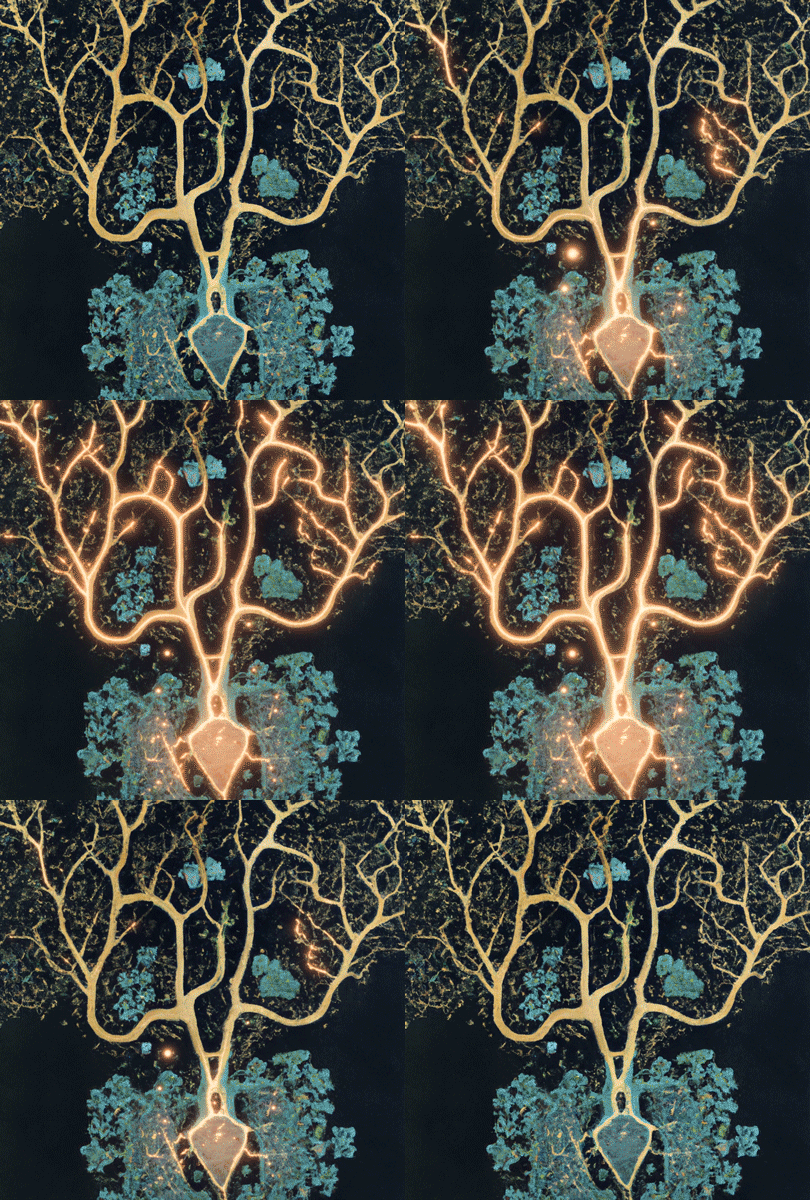
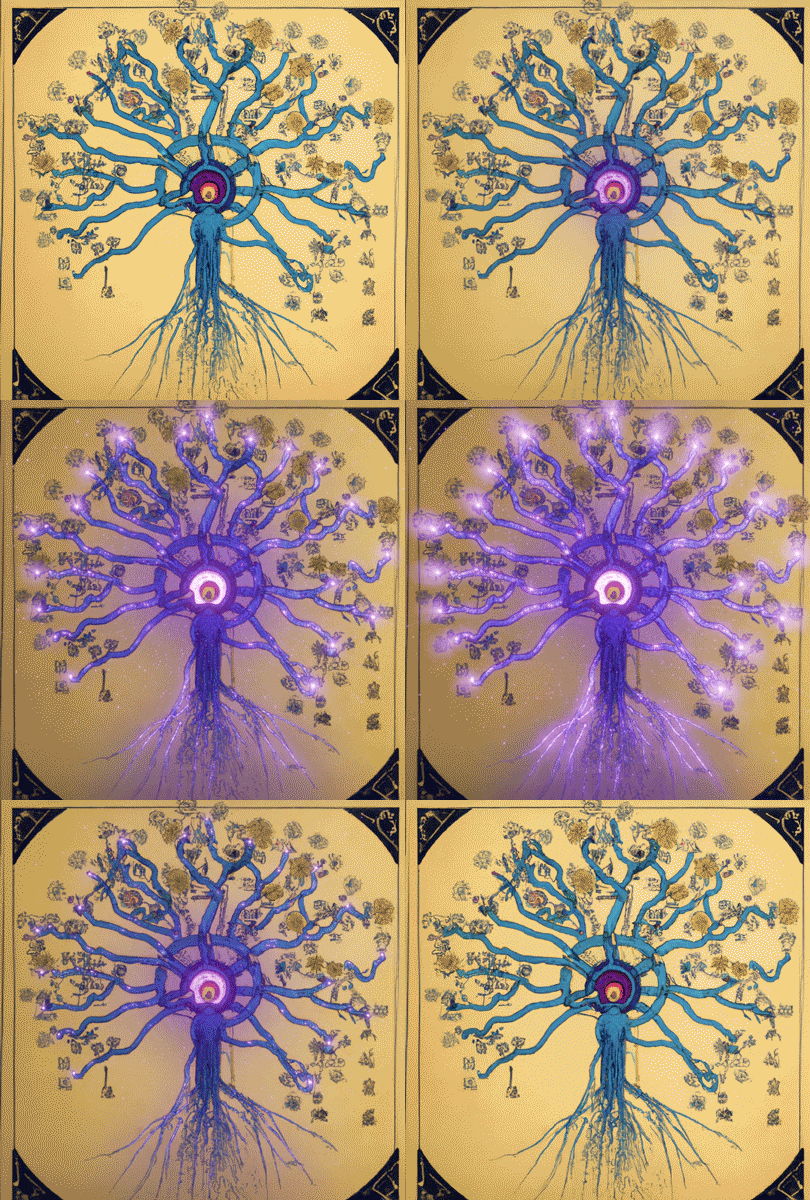
Intuition (2026)
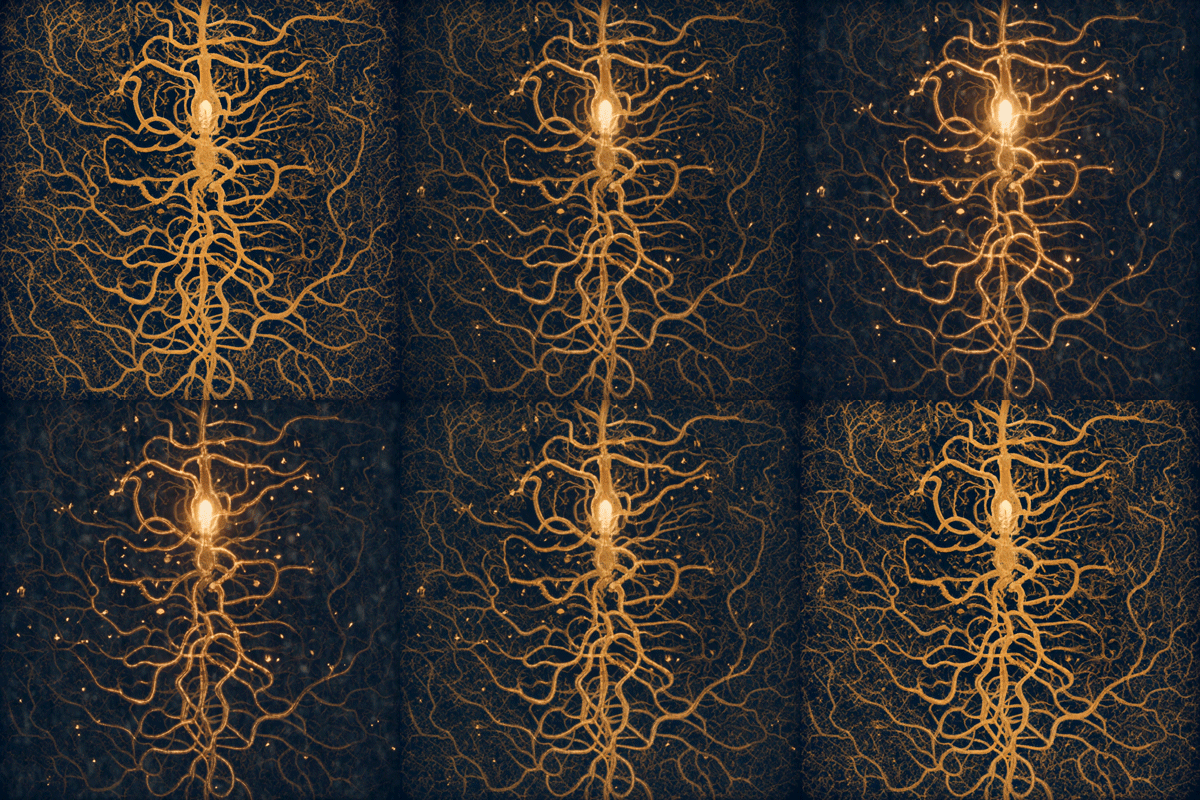
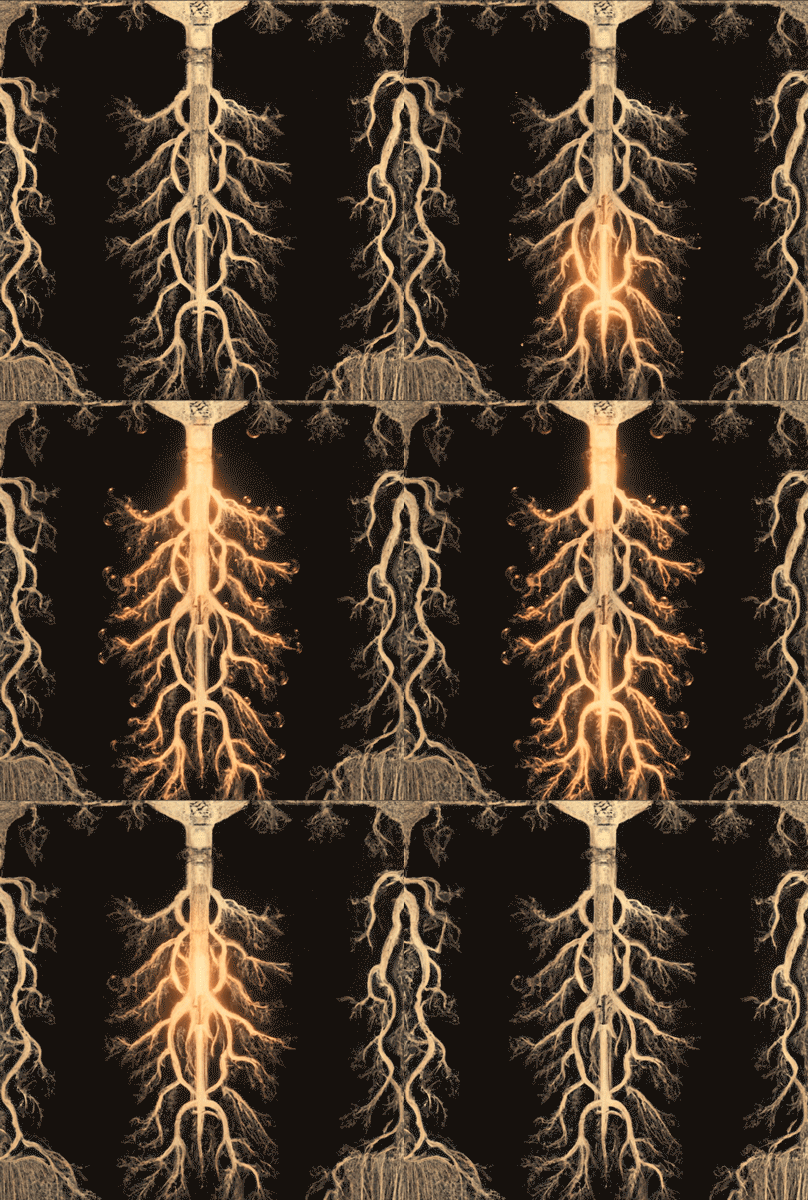
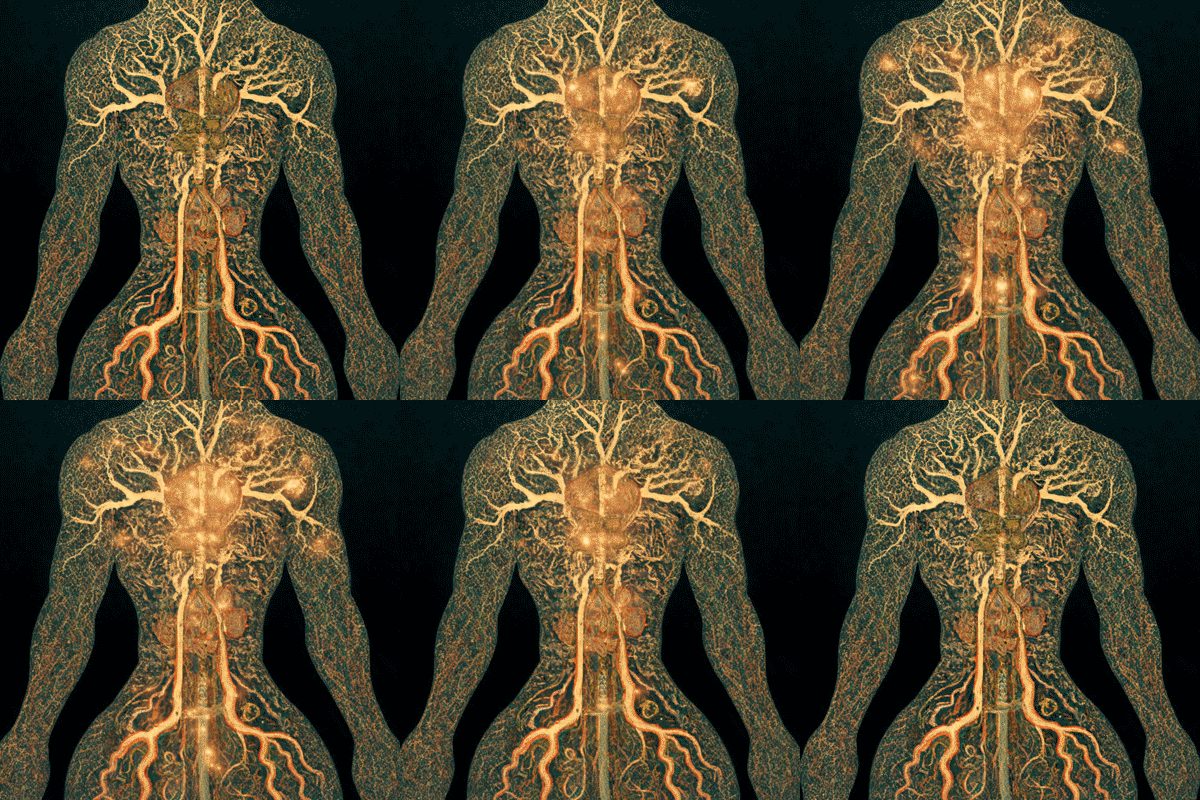
Pathway (2026)
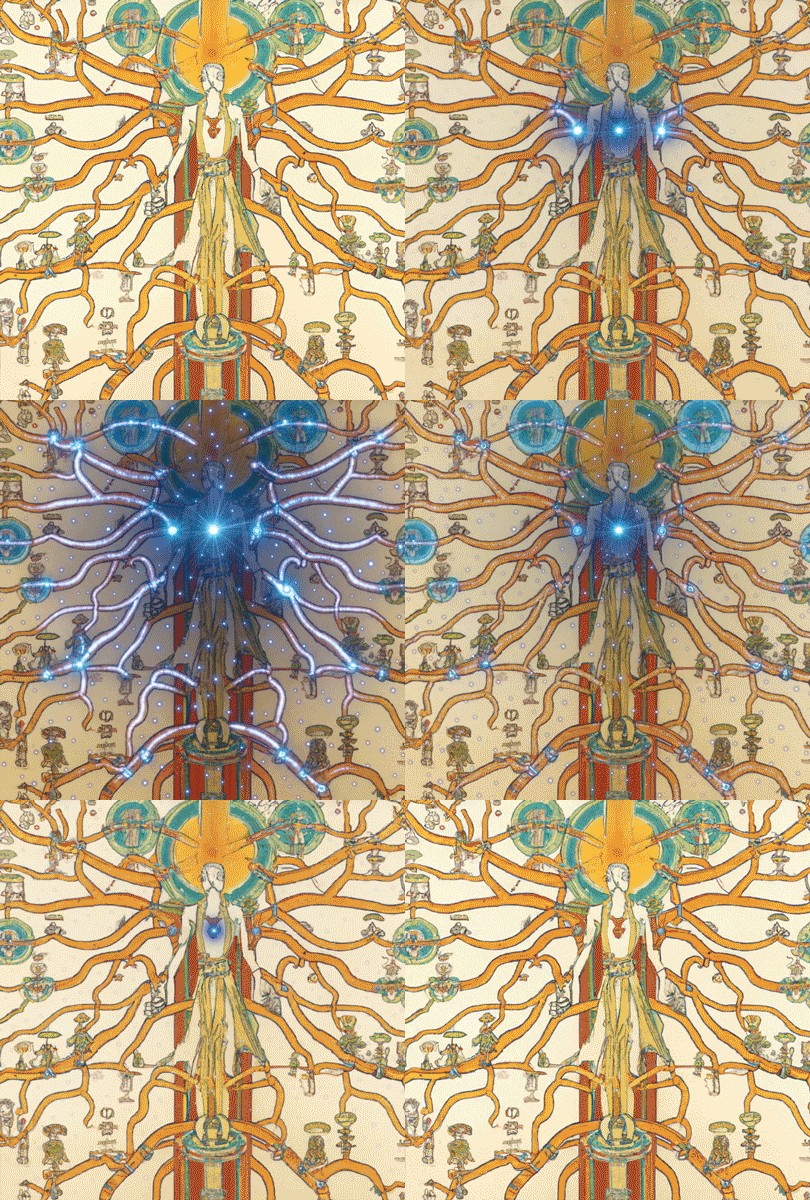
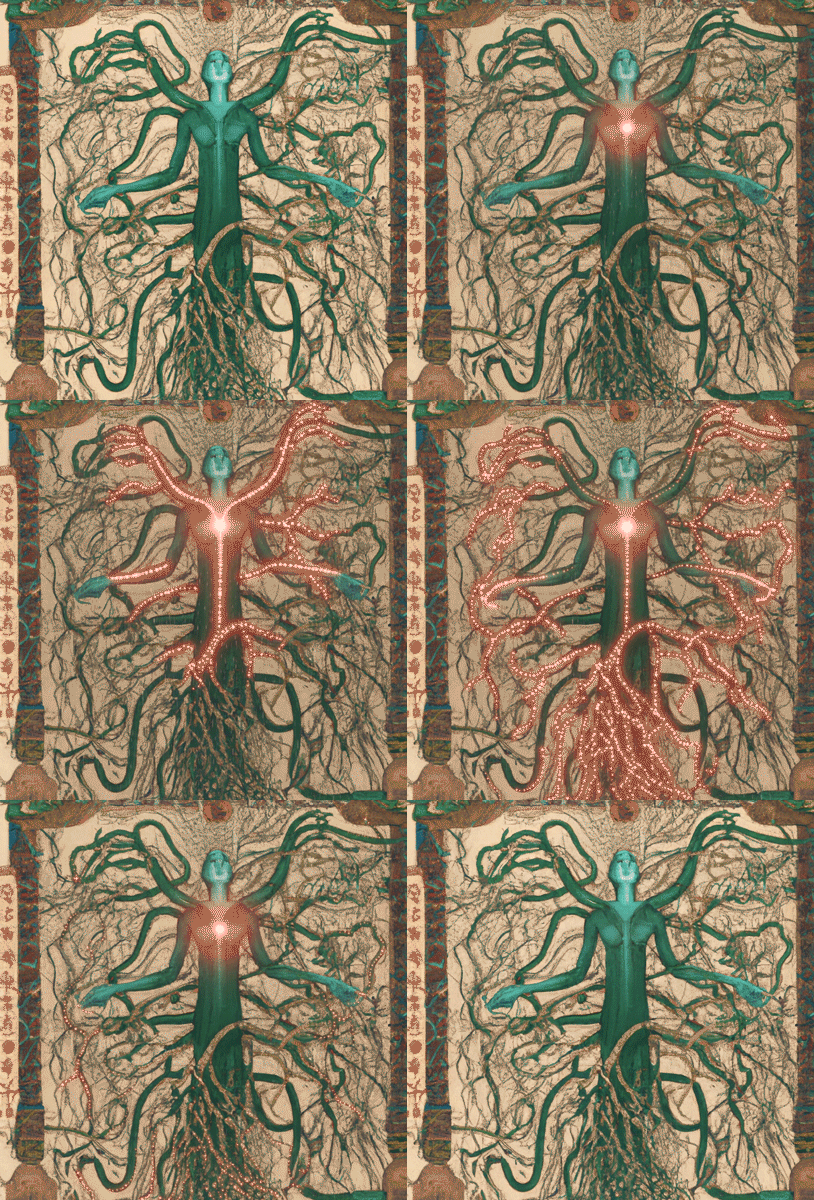
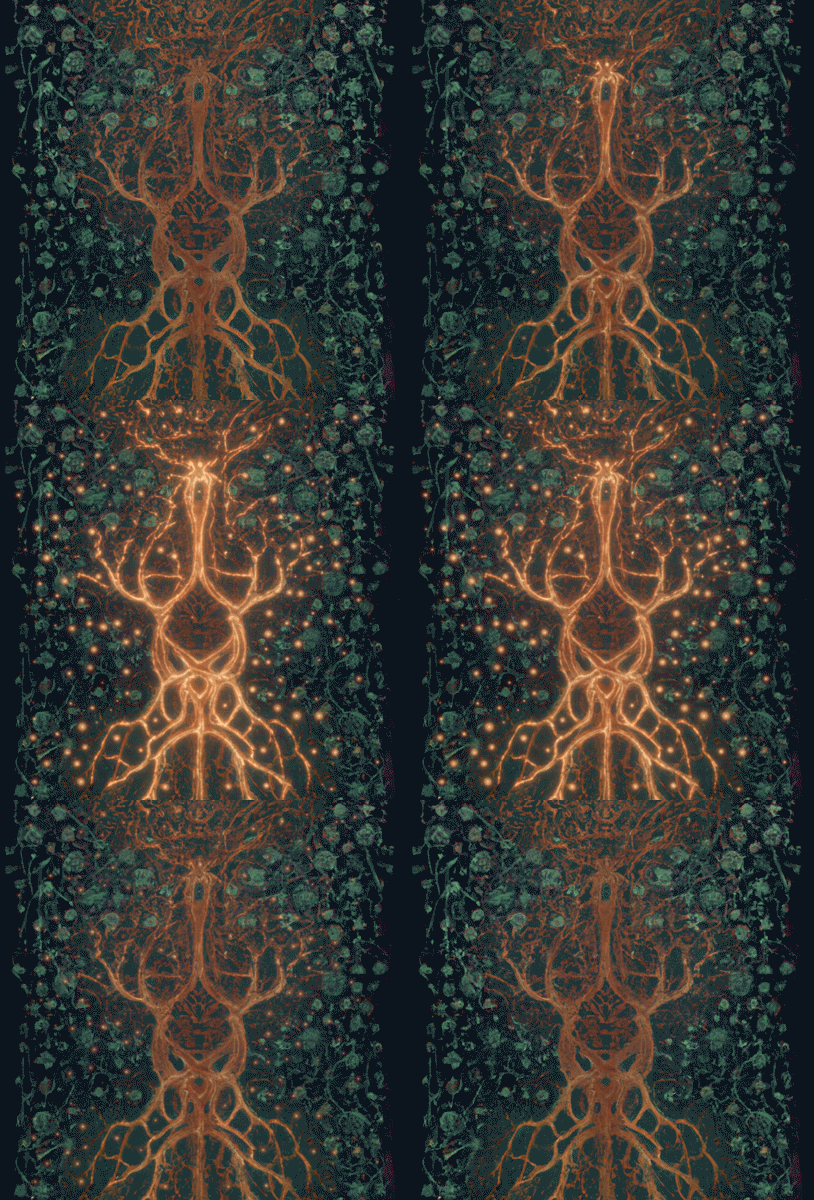
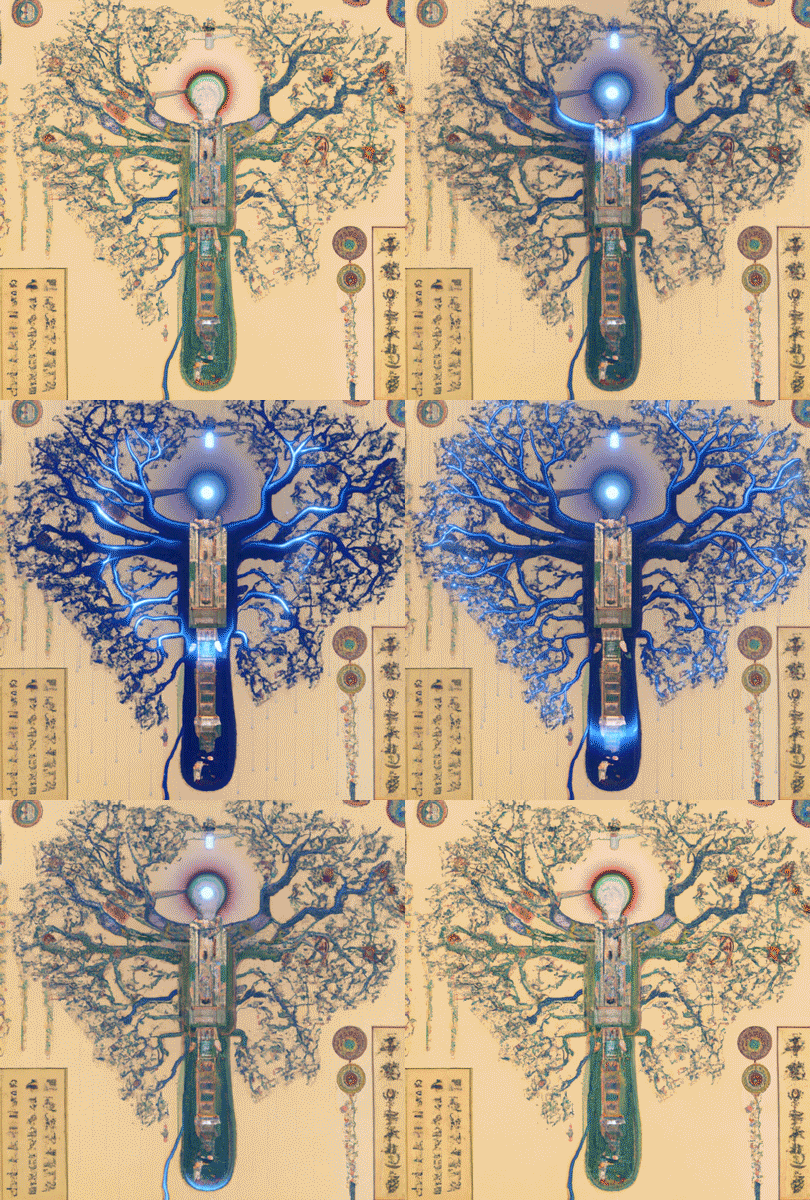
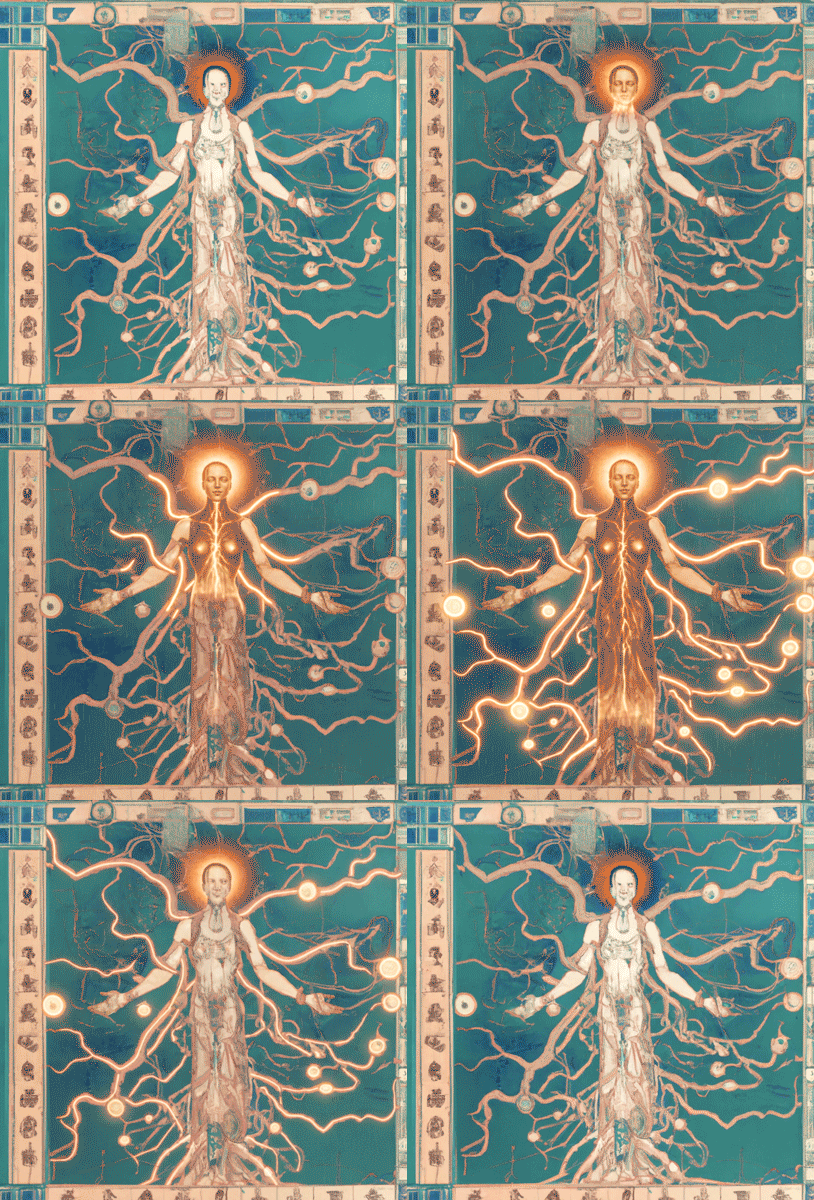
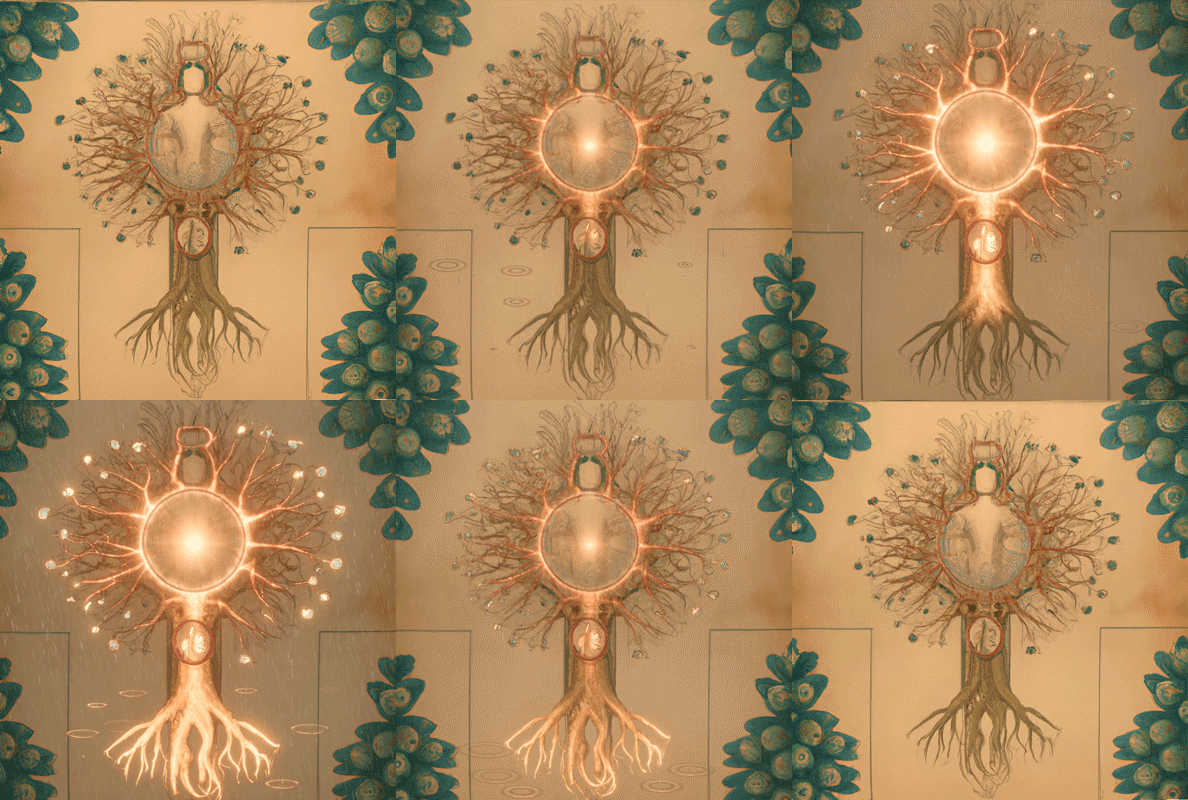
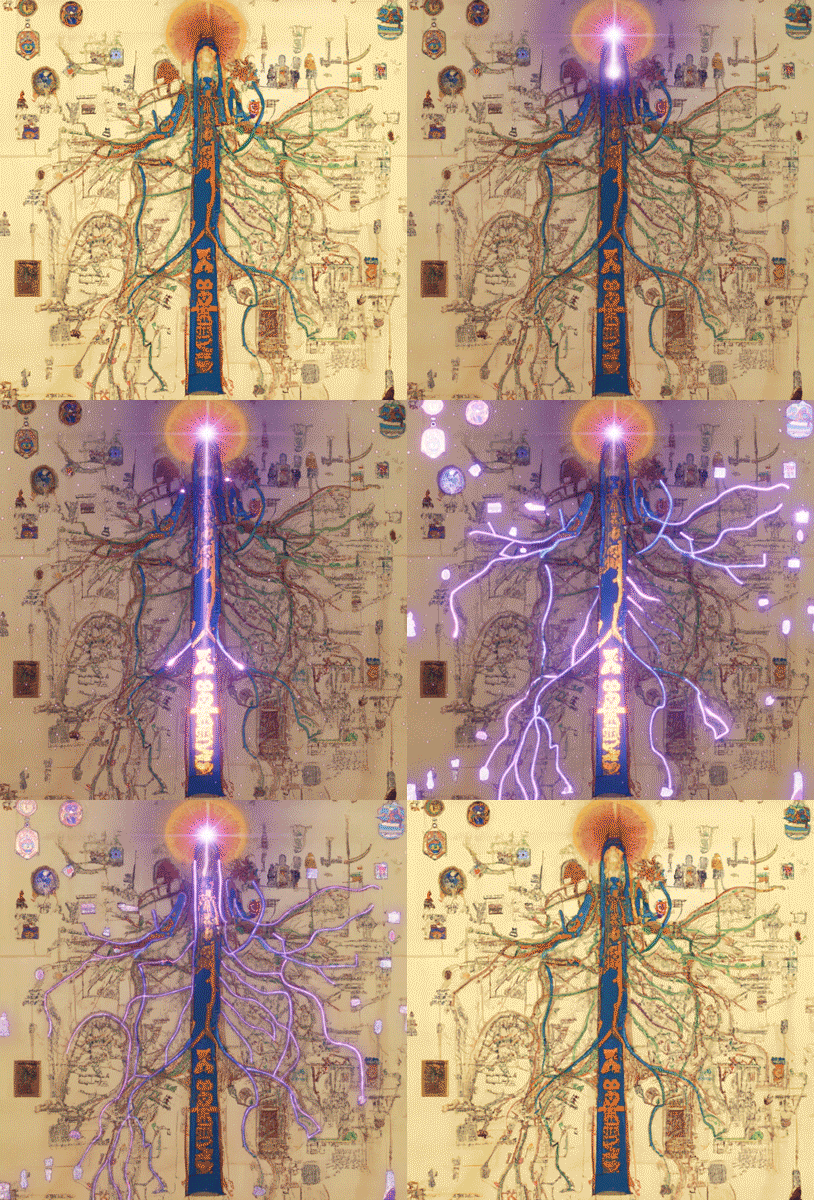
High Priestess (2026)
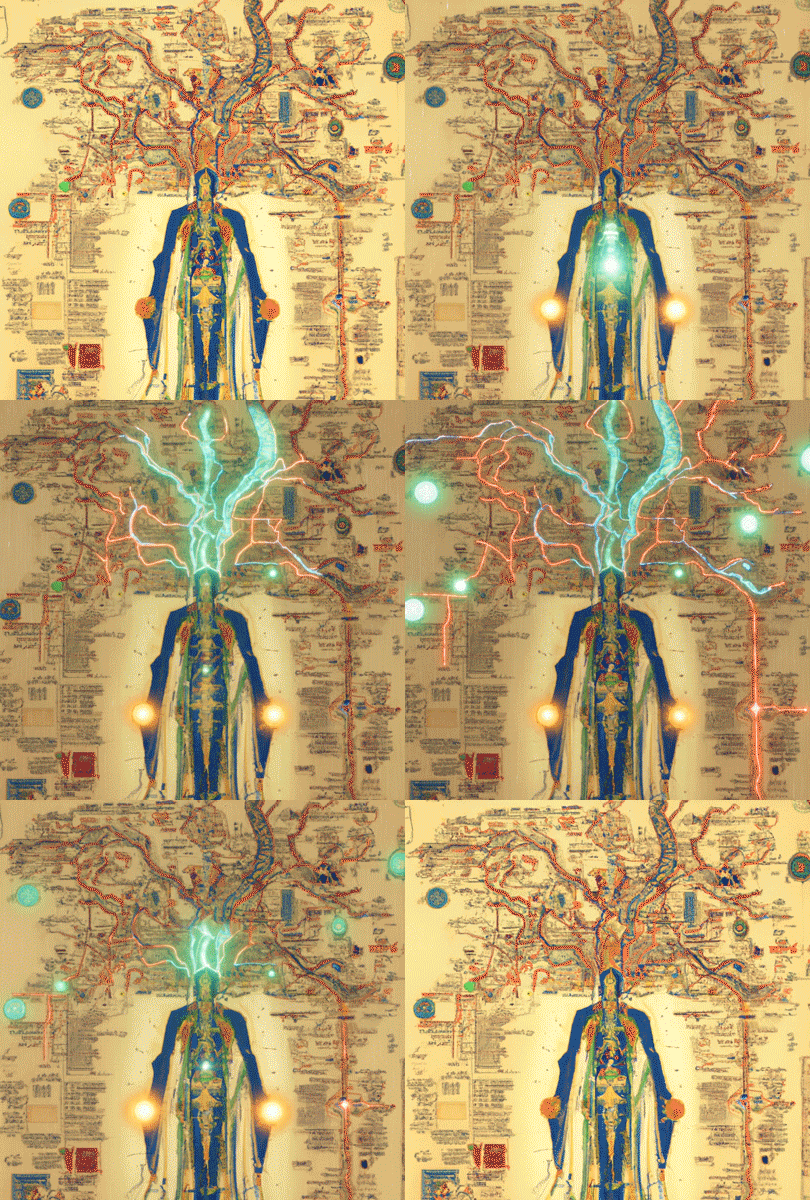
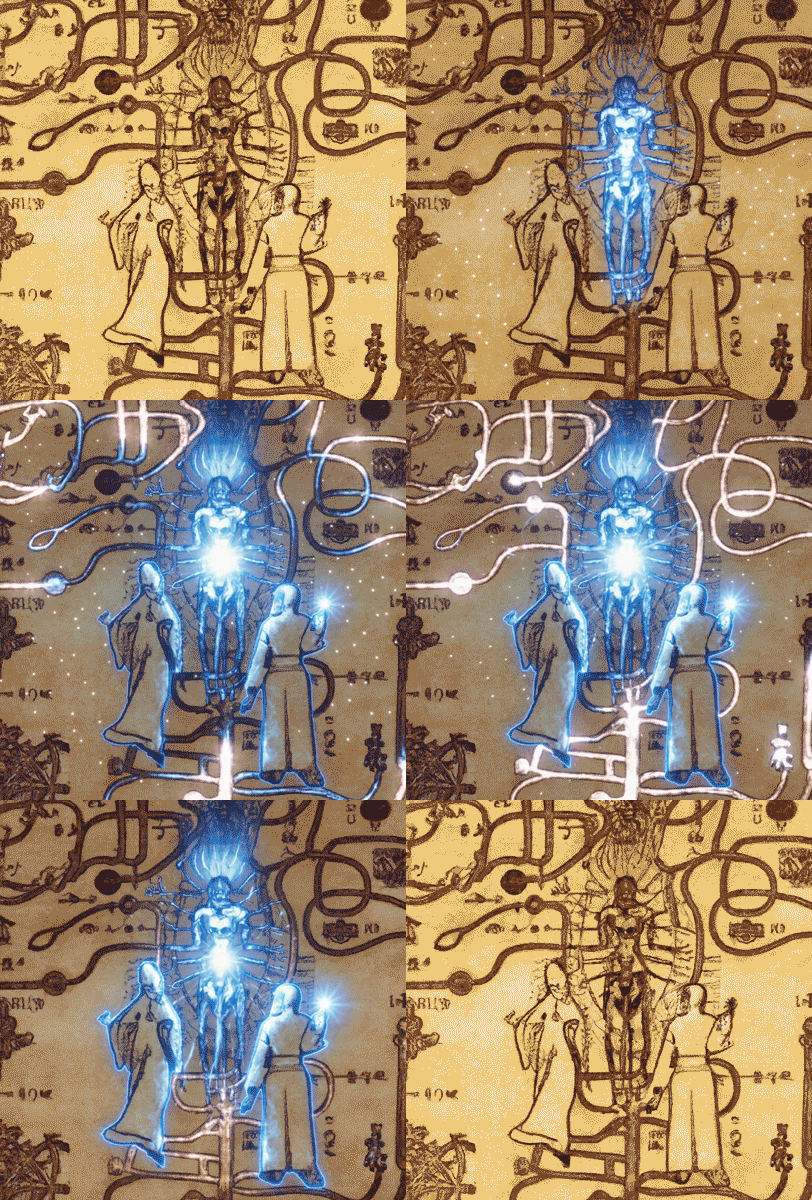
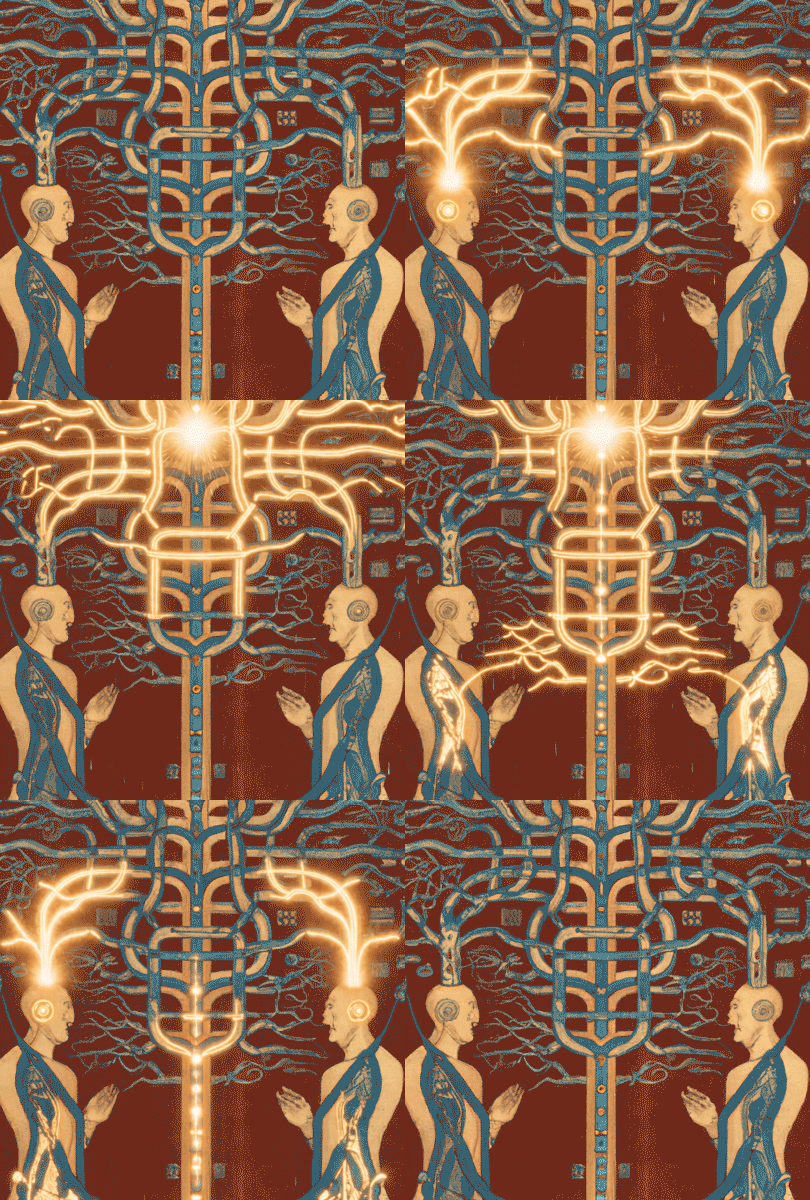
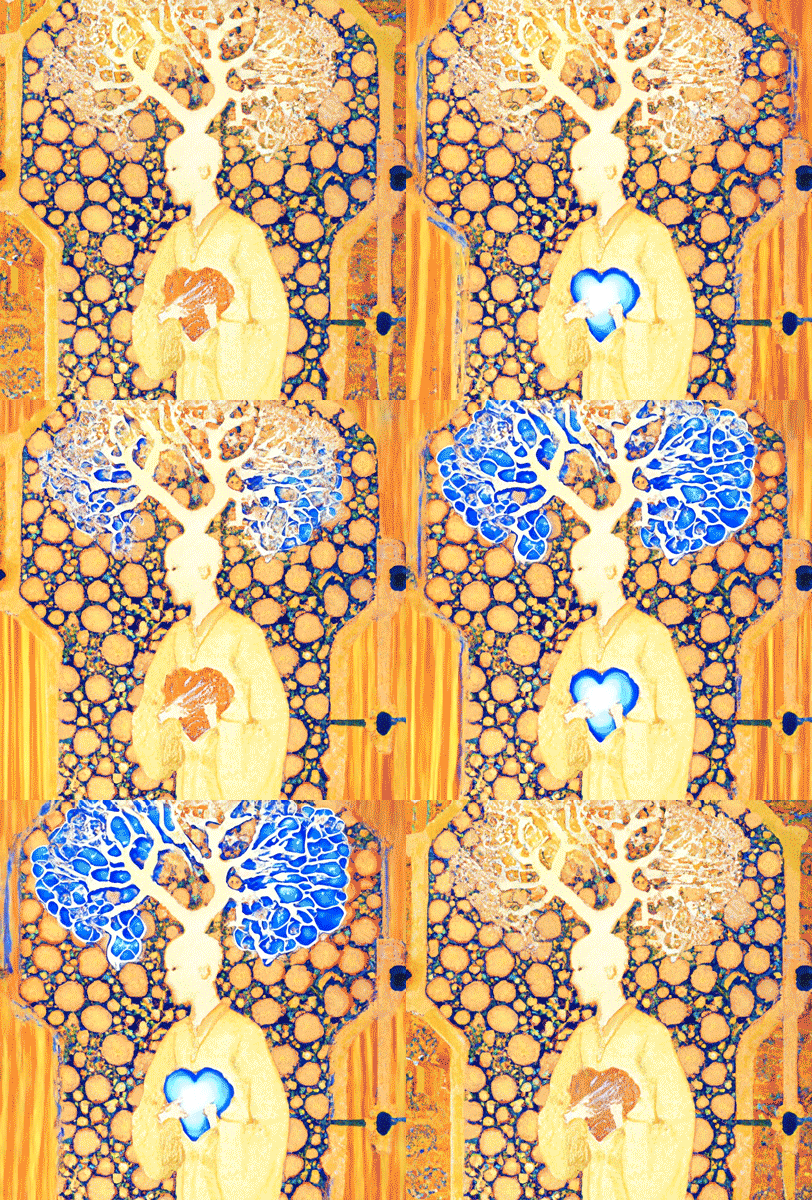
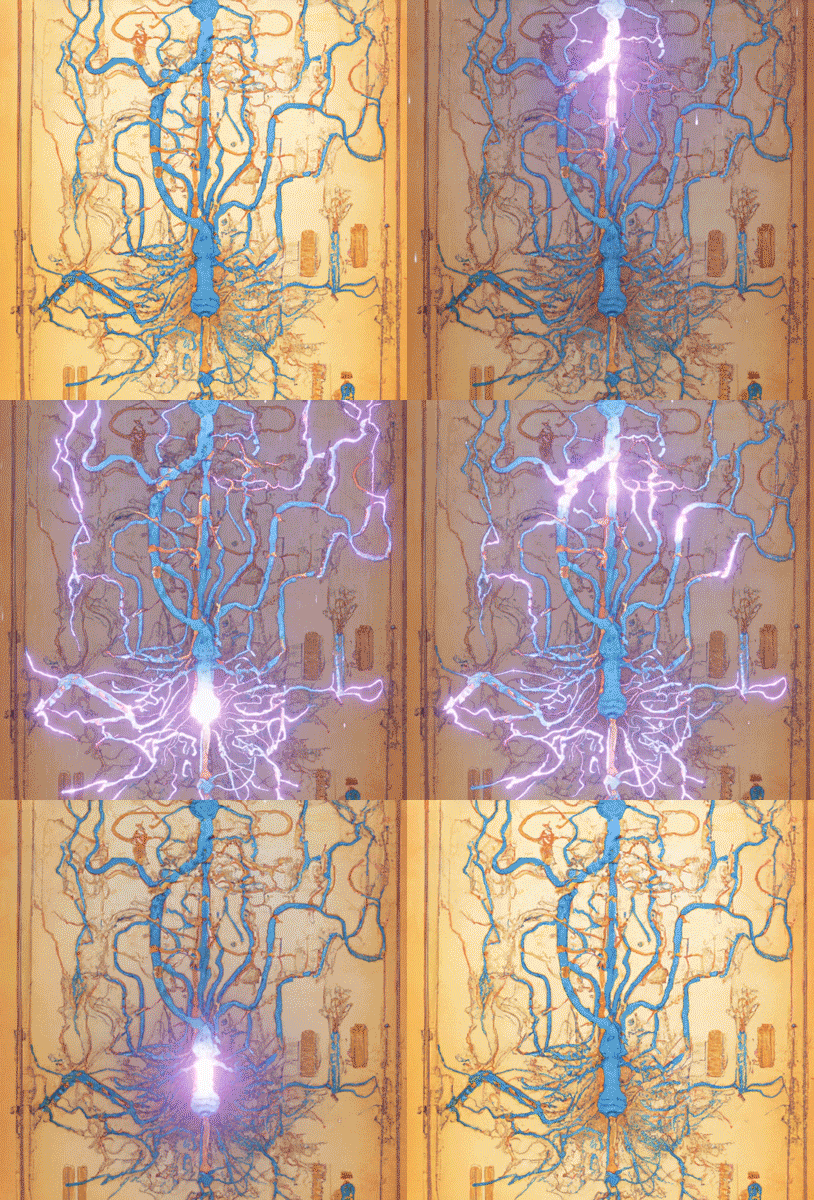
Neuroplastic Network (2026)
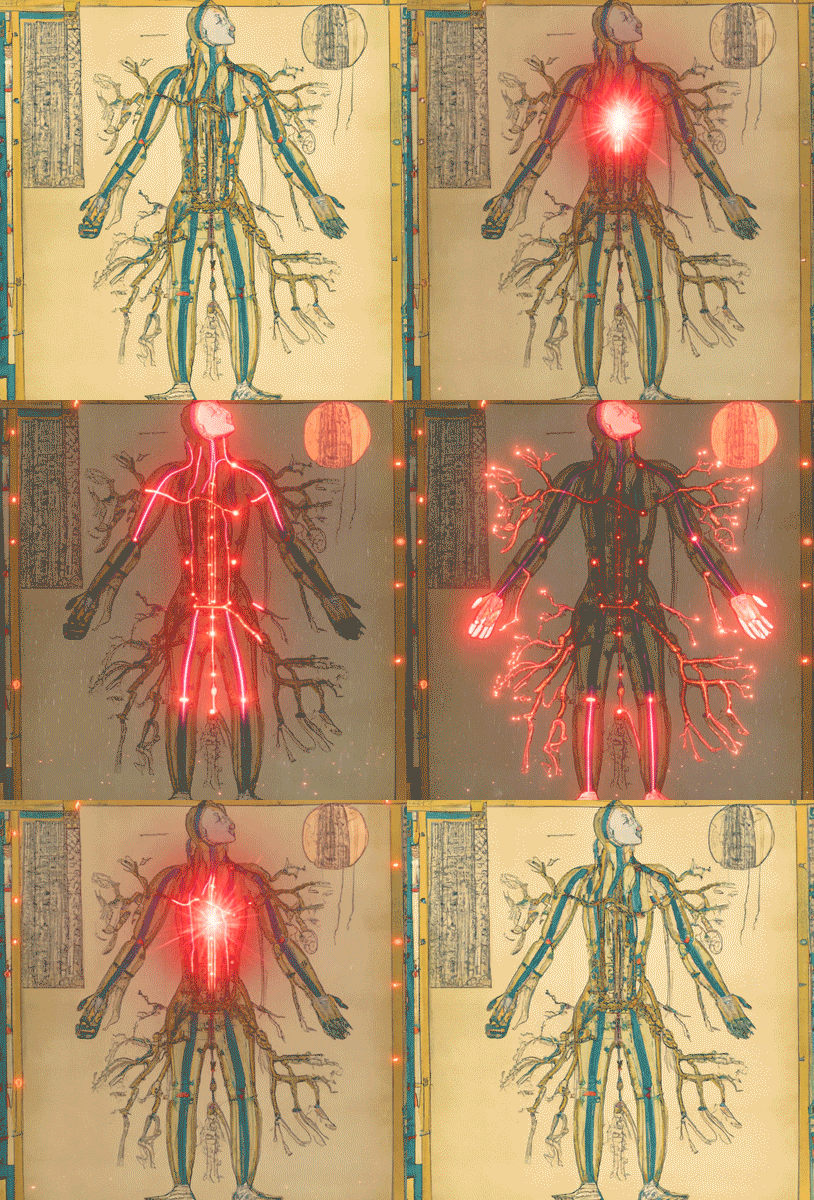
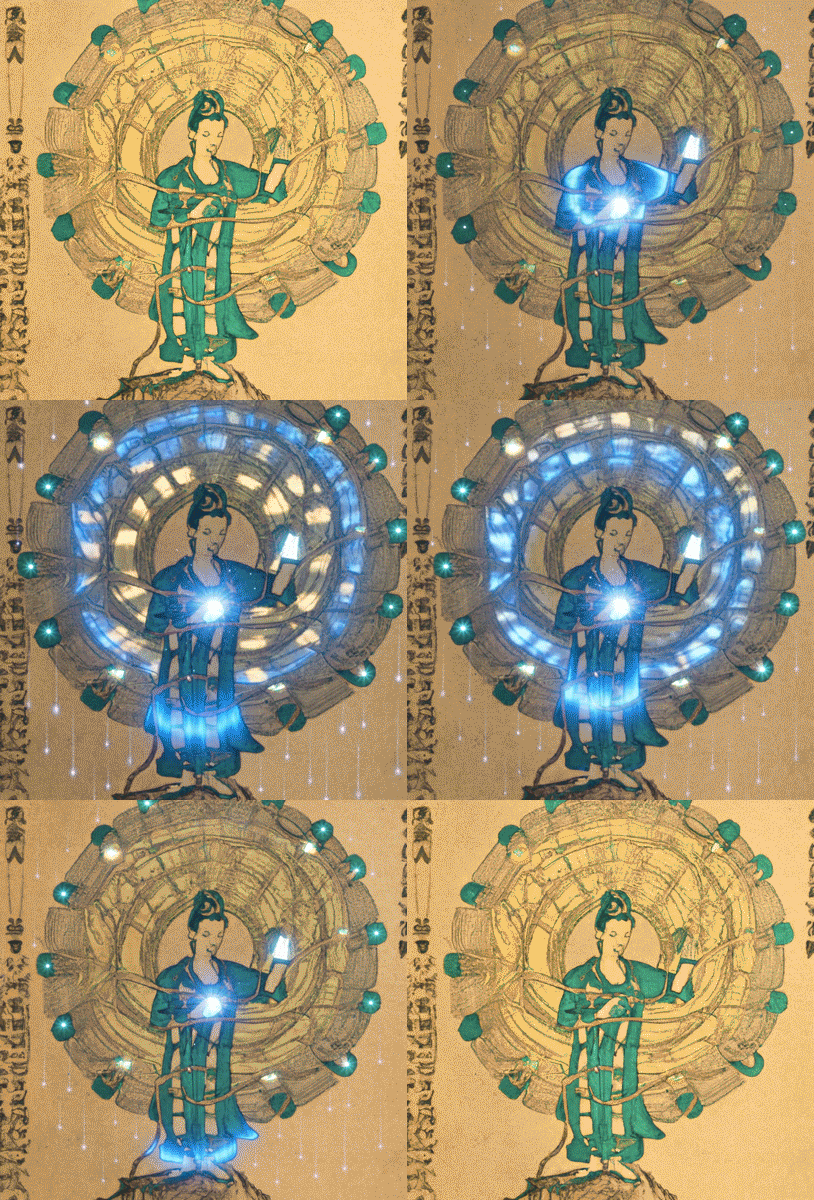
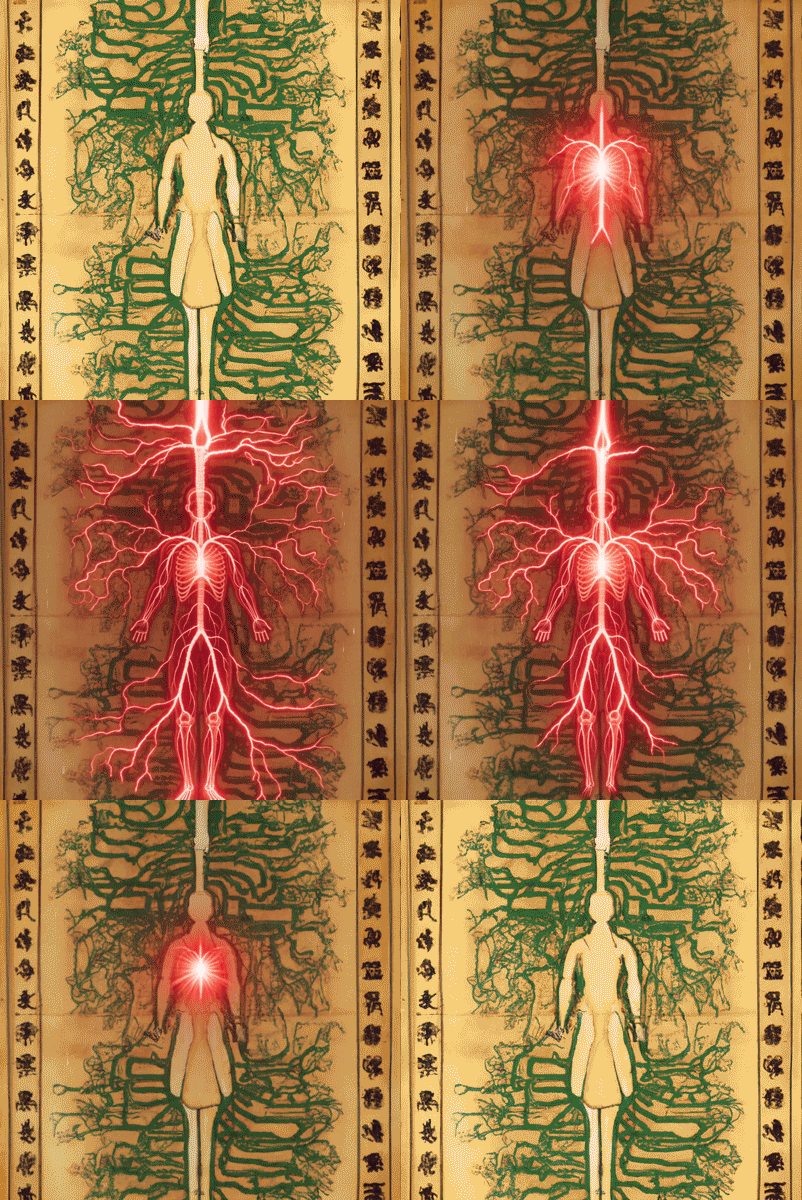
Conduit (2026)
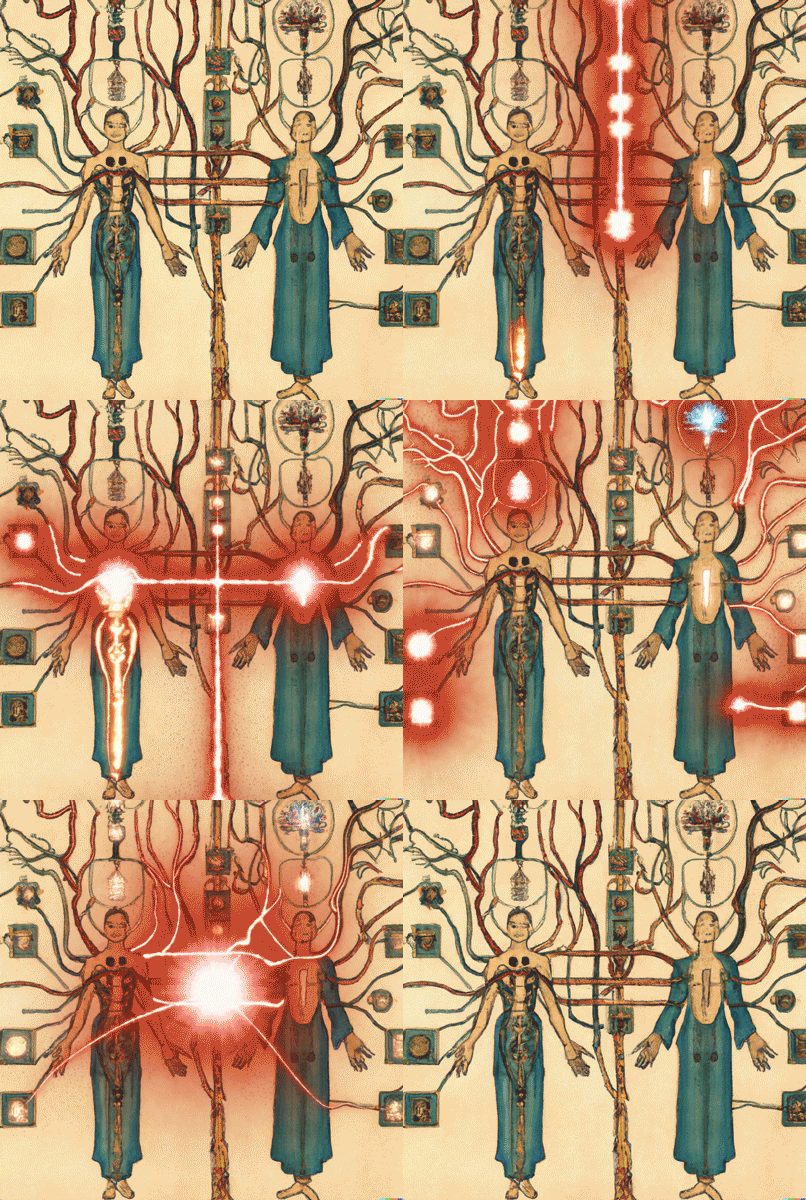
Alignment (2026)
Xin (2026)